
When you travel Lanka, you're stepping into one of Asia's most captivating destinations, a teardrop-shaped island where ancient temples meet pristine beaches, where leopards roam national parks, and where centuries-old tea estates blanket emerald hillsides. Sri Lanka has emerged as a premier travel destination in 2026, combining cultural richness, wildlife encounters, luxury accommodation and warm hospitality into one compact, accessible package. Whether you're planning your first visit or returning to explore deeper, understanding how to travel Lanka effectively transforms a good holiday into an extraordinary journey.
Why Travel Lanka Stands Out Among Asian Destinations
Sri Lanka's compact geography delivers remarkable diversity within manageable distances. You can explore eight UNESCO World Heritage Sites, encounter elephants and leopards in multiple national parks, ride scenic train routes through tea country, relax on golden and pristine beaches, and experience authentic cultural traditions, all within a two-week itinerary.
The island's tourism infrastructure has matured significantly. Sri Lanka’s tourism sector reached significant milestones in 2025, with visitor numbers rebounding strongly and investment in hospitality creating exceptional accommodation options across all budget ranges. This recovery has enhanced service standards while preserving the authentic local character that makes Sri Lanka special.
Key advantages for international travellers include:
- Accessibility: Direct flights from major hubs in the Middle East, Asia and Europe connect to Colombo's international airport
- Value: Competitive pricing compared to other luxury Asian destinations
- English proficiency: Widespread English communication simplifies navigation and cultural exchange
- Safety: Low crime rates and welcoming local communities create secure travel environments
- Visa convenience: Electronic Travel Authorization (ETA) processed online within hours
Essential Planning for Your Lanka Travel Experience
When to Travel Lanka
Sri Lanka's dual monsoon pattern creates distinct seasons across different regions, making year-round travel possible when you understand regional weather variations.
| Season | Months | Best Regions | Travel Highlights |
|---|---|---|---|
| Northeast Monsoon | December-March | East Coast, Cultural Triangle | Dry weather, peak season for eastern beaches |
| Inter-monsoon | April & October | Hill Country, South Coast | Transitional weather, fewer crowds |
| Southwest Monsoon | May-September | East Coast, Northern regions | West and south experience rain, east stays dry |
The cultural and practical considerations for timing your visit extend beyond weather patterns. Festival periods like Vesak (May full moon), Esala Perahera (July/August) and Sinhala/Tamil New Year (April) offer incredible cultural immersion but require advance hotel bookings.
How Long to Travel Lanka
Most international visitors allocate between 10 and 14 days to travel Lanka comprehensively. This timeframe allows exploration of the Cultural Triangle, central highlands, one coastal region, and a national park without excessive rushing.
- 7-9 days: Focus on cultural sites and one coastal area
- 10-14 days: Comprehensive circuit including culture, highlands, wildlife and beaches
- 15+ days: Leisurely exploration with multiple wildlife encounters and extended beach relaxation
Shorter itineraries work best when focusing on specific regions rather than attempting island-wide coverage.
Cultural Triangle: The Heart of Lanka Travel
The Cultural Triangle anchors most Sri Lanka itineraries, encompassing ancient capitals Anuradhapura and Polonnaruwa, the fortress rock of Sigiriya, cave temples at Dambulla, and the last royal capital of Kandy. These sites represent over 2,000 years of continuous Buddhist civilization.
Sigiriya and Dambulla
The 5th-century rock fortress at Sigiriya rises 200 meters from surrounding plains, featuring ancient frescoes, landscaped gardens and summit palace ruins. Early morning ascents (6:00-7:00 AM) avoid midday heat and crowds while capturing golden light photographs.
Nearby Dambulla's cave temple complex contains the finest collection of Buddhist murals and statues in Sri Lanka, spanning five main caves carved into a massive rock outcrop. These sites work perfectly as a combined day excursion when based in Sigiriya or Dambulla.
Kandy and the Hill Country
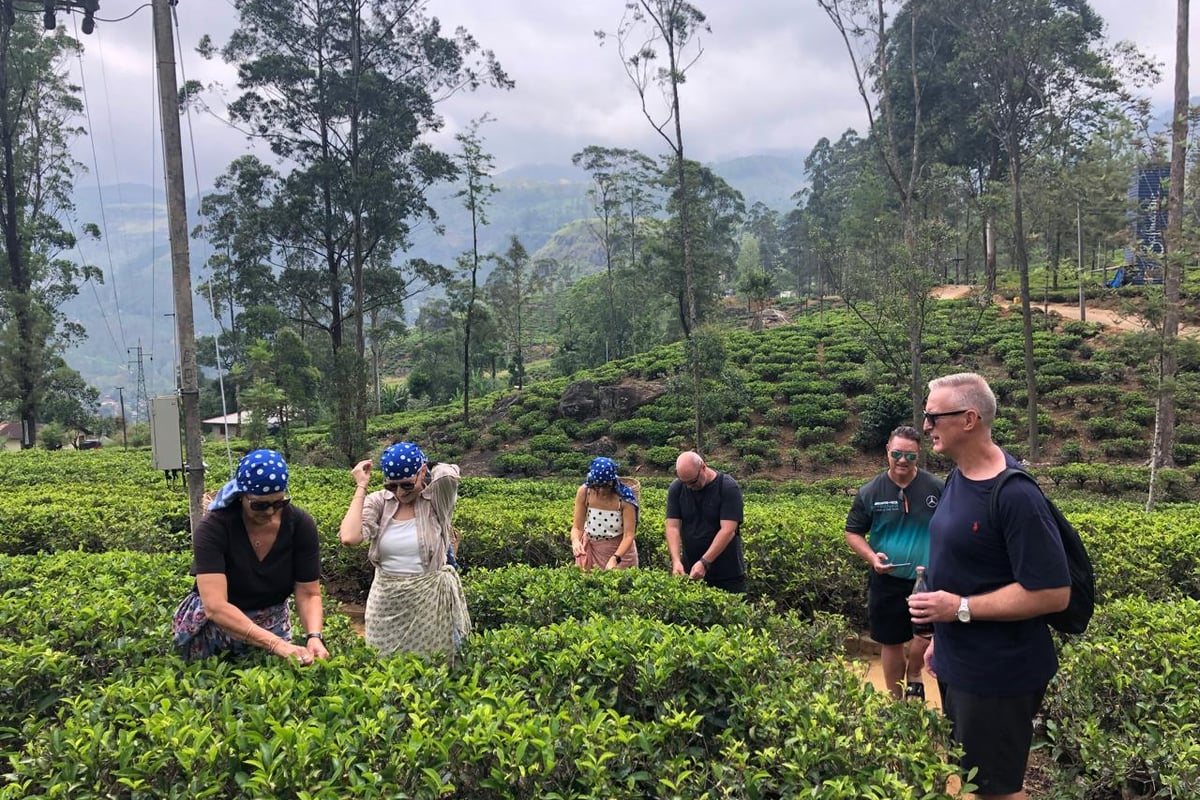
Kandy serves as both cultural capital and gateway to Sri Lanka's central highlands. The Temple of the Sacred Tooth Relic houses Buddhism's most venerated artifact, with daily ceremonies at 5:30 AM, 9:30 AM and 6:30 PM offering atmospheric spiritual experiences.
From Kandy, the famous train journey to Ella threads through tea estates, crossing the Nine Arch Bridge and climbing toward Nuwara Eliya. This route consistently ranks among the world's most scenic rail journeys.
Wildlife Safaris: Natural Treasures When You Travel Lanka
Sri Lanka's national parks protect exceptional biodiversity, with several parks offering Asia's highest leopard densities alongside large elephant populations.
Top National Parks for Safari
Yala National Park draws safari enthusiasts for its leopard populations. Block 1, the park's most visited section, provides the highest leopard encounter probability globally. Early morning and late afternoon game drives maximize wildlife sightings.
Udawalawe National Park specializes in elephant encounters. Large herds frequent the reservoir and grasslands throughout the day, making Udawalawe more reliable for elephant viewing than Yala. The park's open terrain facilitates excellent photography opportunities. For those planning wildlife-focused itineraries, Udawalawe’s diverse ecosystem offers rewarding safari experiences beyond elephants, including crocodiles, water buffalo and numerous bird species.
Wilpattu National Park combines wildlife viewing with atmospheric scenery. Ancient "villus" (natural lakes) create stunning backdrops while supporting diverse fauna including leopards, sloth bears and endemic birds.
| Park | Primary Wildlife | Best Season | Accessibility |
|---|---|---|---|
| Yala | Leopards, elephants, sloth bears | February-July | 5-6 hours from Colombo |
| Udawalawe | Elephants, water buffalo | Year-round | 4 hours from Colombo |
| Wilpattu | Leopards, sloth bears | February-September | 4 hours from Colombo |
| Minneriya | Elephant gatherings | August-September | 3.5 hours from Colombo |
Coastal Regions: Beach Experiences Across Lanka
Sri Lanka's 1,340-kilometer coastline encompasses varying beach styles, from lively resort towns to secluded coves accessible only by boat.
South Coast Beaches
Unawatuna and Mirissa anchor the southwest coast with golden sand beaches, coral reefs and whale watching opportunities. Mirissa serves as the primary departure point for blue whale and dolphin watching tours (November-April), with morning departures offering the calmest conditions and highest success rates.
Tangalle and Hiriketiya provide more relaxed alternatives further east, with Hiriketiya's sheltered bay creating ideal swimming and surfing conditions. These areas experience lower development density and attract travellers seeking quieter beach environments.
East Coast Beaches
Arugam Bay ranks among Asia's premier surf destinations, with consistent point breaks from April through September. The laid-back village atmosphere contrasts sharply with west coast development while offering excellent seafood and beachfront accommodation.
Trincomalee and Nilaveli feature pristine white sand beaches backed by turquoise waters. Pigeon Island National Park, accessible by short boat rides from Nilaveli, protects exceptional coral reefs ideal for snorkeling.
Practical Transportation: Getting Around Lanka
Private Driver vs. Self-Drive
Hiring a private vehicle with an experienced driver represents the most comfortable and efficient way to travel Lanka. Professional drivers navigate challenging roads, provide local insights and eliminate parking concerns at crowded attractions. This option particularly benefits first-time visitors unfamiliar with local driving conditions.
Self-drive car rentals remain available but present challenges including aggressive traffic, poorly maintained road surfaces and inadequate signage in rural areas. International driving permits and familiarity with left-side driving are essential prerequisites.
Train Travel
Sri Lankan Railways operates several scenic routes worth incorporating into itineraries:
- Colombo to Kandy: Comfortable 3-hour journey through lowland scenery
- Kandy to Ella: Spectacular 7-hour highland route (book first-class observation seats weeks in advance)
- Colombo to Galle: Coastal route hugging beaches and fishing villages
Train schedules and booking systems require patience. Second-class reserved seats offer good value and reasonable comfort for budget-conscious travellers, while first-class provides air-conditioning and guaranteed seating.
Accommodation Options When You Travel Lanka
Sri Lanka's accommodation spectrum extends from budget guesthouses to ultra-luxury resorts, with strong mid-range options throughout tourist regions.
Boutique hotels dominate the character accommodation sector. Converted colonial mansions, tea estate bungalows and architect-designed beach villas provide authentic settings with personalized service. These properties typically offer 8-15 rooms and emphasize design, cuisine and location.
Luxury resorts concentrate around Bentota, Tangalle and the Cultural Triangle. International chains including Anantara, Shangri-La and Cinnamon operate flagship properties alongside local luxury brands like Uga Escapes and Jetwing Hotels.
Eco-lodges near national parks balance comfort with environmental consciousness. Properties like Jetwing Vil Uyana (Sigiriya) and Wild Coast Tented Lodge (Yala) integrate luxury amenities with natural surroundings and sustainable practices.
When planning accommodation, those seeking personalized itineraries can benefit from Tailor-Made Holidays that match hotel selections to individual preferences, budget and travel style rather than defaulting to generic resort packages.
Culinary Experiences: Tasting Lanka's Flavors
Sri Lankan cuisine combines South Indian influences with indigenous traditions, Arab trader impacts and Portuguese, Dutch and British colonial elements. Rice and curry form the foundation, but the complexity lies in spice combinations and regional variations.
Must-Try Dishes
- Hoppers (Appam): Bowl-shaped rice flour pancakes, best enjoyed with egg, coconut sambal and dhal curry for breakfast
- Kottu Roti: Chopped flatbread stir-fried with vegetables, eggs and meat, creating rhythmic chopping sounds from street food stalls
- Fish Ambul Thiyal: Sour fish curry using dried goraka fruit, representing traditional southern coastal cooking
- Lamprais: Dutch Burgher specialty combining rice, mixed meat curry, seeni sambal and ash plantain, wrapped in banana leaf and baked
Cooking classes in Galle Fort, Kandy or Colombo provide hands-on introduction to spice combinations and traditional preparation methods. Morning market tours followed by cooking sessions create comprehensive culinary experiences.
Cultural Etiquette for Respectful Lanka Travel
Understanding local customs enhances interactions and demonstrates respect for Sri Lankan culture.
Temple visits require modest dress covering shoulders and knees. Remove shoes before entering temple buildings. Photography may be restricted in certain sacred areas. Turn your back toward Buddha statues when taking photographs to avoid appearing disrespectful.
Social interactions benefit from conservative behavior. Public displays of affection remain uncommon outside tourist areas. Use right hands for giving and receiving items. Pointing feet toward people or religious objects is considered rude.
Photography of military installations, airports and certain government buildings is prohibited. Always ask permission before photographing people, particularly monks and children.
This comprehensive travel guide offers additional cultural insights and practical tips for navigating local customs across different regions.
Safety and Health Considerations
Sri Lanka maintains strong safety records for tourists. Standard precautions regarding valuables apply in crowded areas, but violent crime against tourists remains rare.
Health preparations should include:
- Routine vaccinations (tetanus, hepatitis A)
- Mosquito prevention measures for dengue (year-round risk)
- Bottled water consumption except in established hotels and restaurants
- Sun protection (strong equatorial UV year-round)
Medical facilities in Colombo, Kandy and Galle meet international standards for common traveller health issues. Travel insurance covering medical evacuation provides essential backup for serious medical emergencies requiring specialist care.
Sustainable and Responsible Travel Practices
Growing tourism numbers create both opportunities and pressures on Sri Lanka's cultural and natural heritage. Responsible choices help preserve destinations for future visitors and benefit local communities.
Choose accommodations and tour operators demonstrating environmental commitment. Support local artisan communities through direct purchases rather than mass-produced souvenirs. Ethical tourism initiatives are gaining traction, showcasing sustainable practices in sectors like gemstone tourism.
Plastic reduction remains critical. Carry reusable water bottles with purification tablets or UV sterilization systems. Refuse plastic bags and single-use items. Many hotels now provide filtered water refill stations.
Wildlife interactions require particular care. Never feed wild animals, maintain distance during safaris and refuse elephant rides or facilities where elephants perform tricks or allow riding.
Budget Planning to Travel Lanka
Sri Lanka accommodates diverse budget levels, from backpacker-friendly to ultra-luxury experiences.
Daily Budget Estimates (per person)
| Budget Level | Daily Cost (USD) | Accommodation | Meals | Transport |
|---|---|---|---|---|
| Budget | $40-70 | Guesthouses | Local restaurants | Buses, trains |
| Mid-Range | $100-200 | 3-4 star hotels | Mix of local and tourist restaurants | Private driver |
| Luxury | $300-600+ | Boutique hotels, resorts | Fine dining | Private vehicle, domestic flights |
Additional costs include national park entry fees ($25-30 per park), activity permits and optional upgrades. Pre-booking through destination management companies often secures better rates than booking accommodation independently.
Detailed tourism data and visitor patterns provide insights into popular regions and seasonal pricing variations that help optimize budget planning.
Combining Sri Lanka with Maldives Travel
Many international visitors combine Sri Lanka's cultural and wildlife experiences with Maldives beach relaxation. This pairing creates comprehensive Indian Ocean holidays balancing activity-rich exploration with tropical resort unwinding.
Logistics favor this combination, with regular flights connecting Colombo to Male. Ten days in Sri Lanka followed by four to seven days in the Maldives represents a popular configuration. This allows comprehensive Sri Lanka exploration while still enjoying meaningful Maldives resort time.
Package options bundling both destinations often provide better value than booking separately, particularly for accommodation and inter-country transfers.
Regional Highlights for Focused Lanka Travel
Northern Sri Lanka
Jaffna peninsula and the northern regions opened to tourism relatively recently, offering authentic cultural experiences with fewer crowds. Hindu temples, Dutch fort ruins and pristine islands create distinct cultural landscapes different from the Buddhist-majority south.
Eastern Sri Lanka
Beyond Arugam Bay's surf breaks, the east coast includes Batticaloa's lagoons, Passikudah's shallow bay beaches and relatively undeveloped coastline. These areas receive fewer visitors outside peak season (April-September), creating opportunities for uncrowded beach experiences.
The Deep South
Mirissa to Tangalle represents the developed southern coast, but continuing east toward Hambantota reveals emptier beaches, fishing villages and emerging eco-tourism initiatives. This region suits travellers seeking authentic coastal life beyond tourist infrastructure.
Travel Lanka With Expert Local Knowledge
Planning comprehensive Lanka travel requires balancing diverse elements including regional weather patterns, accommodation availability, festival calendars, park permits and efficient routing. First-time visitors particularly benefit from professional itinerary design that maximizes experiences while minimizing wasted transit time.
Understanding how to sequence destinations prevents backtracking. Knowing which parks require advance permits, which hotels book months ahead and which experiences need specific timing transforms good trips into exceptional journeys. For inspiration on well-designed routes, exploring Sri Lanka tour packages demonstrates how professional planning creates seamless travel flow.
The most memorable Sri Lanka experiences often emerge from local connections that independent planning struggles to access. Cooking with village families, private temple blessings, sunrise viewpoints away from crowds and authentic craft workshops require local knowledge and established relationships that destination management companies cultivate over years of operation.
Travel Lanka offers extraordinary diversity within an accessible, welcoming destination that combines cultural depth, natural beauty and authentic hospitality. Whether you're drawn to ancient temples, wildlife encounters, scenic train journeys or pristine beaches, Sri Lanka delivers experiences that resonate long after you return home. Estiaco Holidays specializes in designing personalized Sri Lanka and Maldives itineraries that reflect your interests, pace and travel style, with every detail managed by local experts who ensure seamless, memorable journeys from arrival through departure.