
Sri Lanka travel has emerged as one of the most rewarding experiences in Asia, offering a rare combination of ancient culture, pristine beaches, abundant wildlife, and warm hospitality. This compact island nation, roughly the size of Ireland, delivers an extraordinary diversity of experiences within easy reach. From misty tea plantations in the central highlands to golden beaches along the coast, from UNESCO World Heritage sites to thrilling wildlife safaris, Sri Lanka presents travellers with an incredibly rich tapestry of adventures. Whether you're planning your first visit or returning to explore deeper, understanding the essentials of Sri Lanka travel will transform your holiday from ordinary to exceptional.
Understanding Sri Lanka's Geography and Regions
Sri Lanka's compact size works remarkably in favour of travellers. You can journey from coastal beaches to mountain highlands in just a few hours, making it possible to experience multiple landscapes within a single holiday.
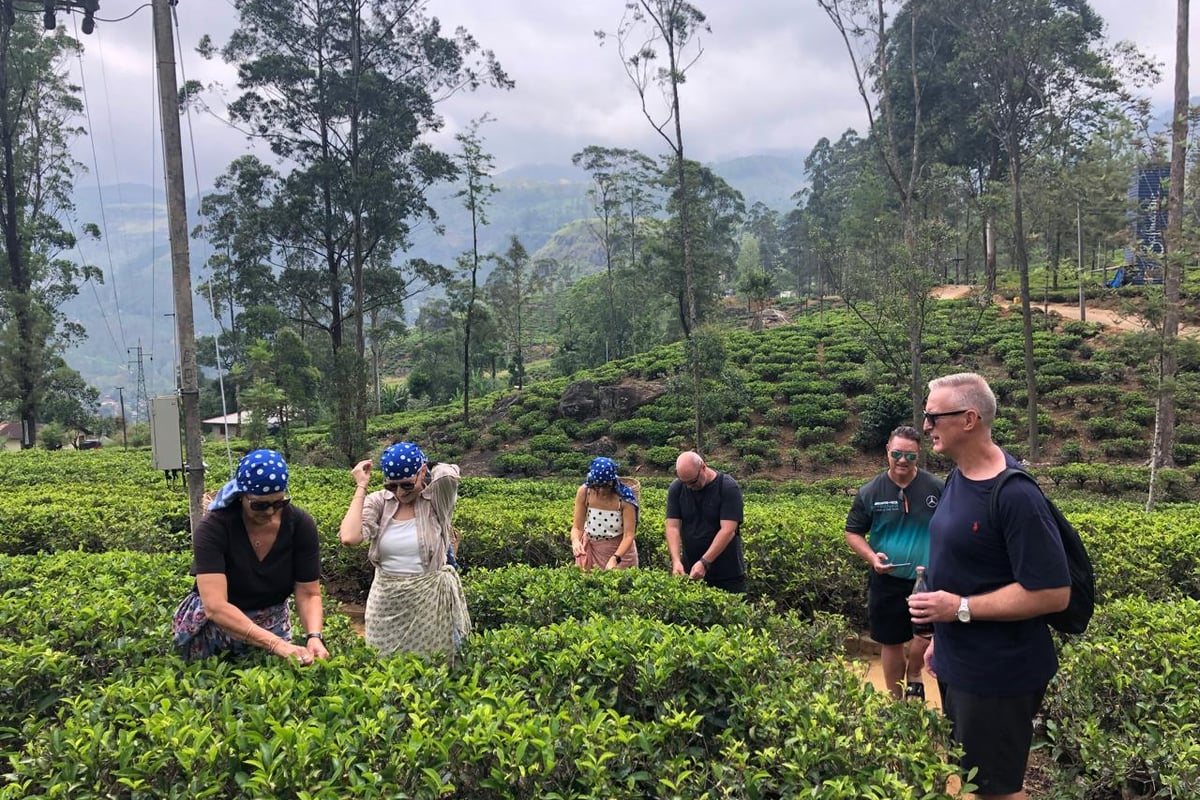
The island divides into several distinct regions, each offering unique attractions. The Cultural Triangle in the north-central region encompasses ancient cities like Anuradhapura, Polonnaruwa, and Sigiriya, where you'll discover centuries-old temples, massive dagobas, and the iconic Sigiriya Rock Fortress. The Central Highlands feature cooler temperatures, cascading waterfalls, and endless tea estates around Nuwara Eliya, Ella, and Kandy.
Coastal Regions Worth Exploring
Sri Lanka's coastline stretches over 1,300 kilometers, offering diverse beach experiences:
- South Coast: Galle, Mirissa, Unawatuna, and Tangalle provide excellent swimming, whale watching, and colonial heritage
- East Coast: Trincomalee and Arugam Bay offer pristine beaches and world-class surfing
- West Coast: Negombo and Colombo serve as convenient gateways with good hotel infrastructure
- North Coast: Jaffna presents unique Tamil culture and emerging tourism opportunities
The dry lowlands and national parks, particularly Yala, Udawalawe, and Wilpattu, deliver exceptional wildlife encounters where elephants, leopards, and countless bird species thrive in their natural habitats.
Best Time for Sri Lanka Travel
Timing your visit significantly impacts your experience, as Sri Lanka has two distinct monsoon seasons affecting different parts of the island.
November through March represents peak season for the west and south coasts, offering dry, sunny weather perfect for beach holidays, cultural touring, and wildlife safaris. This period sees the highest number of visitors and premium pricing at hotels.
April through September favours the east coast, with Trincomalee and Arugam Bay enjoying their driest months. During this period, the southwest experiences more rainfall, though mornings often remain clear enough for sightseeing.
| Month Range | Best Regions | Weather Conditions | Crowd Level |
|---|---|---|---|
| Nov-Mar | West, South, Cultural Triangle | Dry and sunny | High |
| Apr-Sep | East Coast | Dry in the east | Moderate |
| May-Jul | Hill Country | Cool, some rain | Moderate |
| Oct-Nov | Transition | Variable across island | Low |
The shoulder months of April and October can offer excellent value, with fewer crowds and competitive rates, though you should expect occasional showers.
Essential Sri Lanka Travel Planning
Successful Sri Lanka travel begins with thoughtful planning that considers your interests, available time, and travel style.
Visa Requirements
Most international visitors require a visa for Sri Lanka. The Electronic Travel Authorization (ETA) system makes obtaining approval straightforward for citizens of Australia, the UK, Europe, India, and North America. You can apply online before departure, with approvals typically processed within 24 hours. As of 2026, tourist visas permit stays of up to 30 days.
Health and Safety Considerations
Sri Lanka maintains a generally safe environment for international travellers. Recent travel advisory updates confirm the country's stability, with most Western governments rating it favourably for tourism. Standard precautions include:
- Drinking bottled water in most regions
- Using mosquito repellent in coastal and jungle areas
- Ensuring adequate travel insurance coverage
- Respecting religious sites by dressing modestly
- Being cautious with street food if you have a sensitive stomach
Understanding current travel safety status helps you make informed decisions and travel with confidence.
Getting Around: Transportation Options
Sri Lanka offers multiple transportation methods, each with distinct advantages depending on your priorities and budget.
Private chauffeur-driven vehicles provide the most comfortable and flexible option for Sri Lanka travel. Your driver serves as both guide and navigator, handling the sometimes chaotic traffic while sharing local knowledge. This option particularly suits families, couples, and those preferring personalized pacing.
Train journeys deliver some of the world's most scenic railway experiences, especially the route from Kandy to Ella through tea country. Book first-class or second-class reserved seats in advance for comfort and guaranteed seating.
Domestic flights connect Colombo to regional airports, saving time on longer journeys. Cinnamon Air and FitsAir operate seaplane and scheduled services to various destinations.
Transportation Comparison
| Method | Best For | Advantages | Considerations |
|---|---|---|---|
| Private Vehicle | Flexibility, comfort | Door-to-door service, customizable stops | Higher cost |
| Train | Scenic routes | Authentic experience, beautiful views | Fixed schedules |
| Bus | Budget travel | Very economical | Crowded, less comfortable |
| Tuk-tuk | Short distances | Quick, affordable for city travel | Not suitable for long journeys |
Must-Visit Destinations
Sri Lanka packs an impressive array of destinations into its compact geography, making it possible to experience multiple highlights within a week or two.
Sigiriya stands as Sri Lanka's most iconic landmark. This 5th-century rock fortress rises 200 meters above the surrounding plains, offering breathtaking views and remarkable ancient engineering. The adjacent Dambulla Cave Temple complex houses stunning Buddhist murals and statues.
Kandy, the cultural capital, hosts the Temple of the Tooth Relic, one of Buddhism's most sacred sites. The city's lakeside setting, botanical gardens, and traditional dance performances create a memorable introduction to Sri Lankan culture.
Coastal Highlights
The fortified city of Galle showcases Dutch colonial architecture within its UNESCO-listed fort walls. Boutique hotels, cafes, and art galleries now occupy restored colonial buildings, creating a sophisticated atmosphere. Sri Lanka’s south coast continues to gain recognition for its blend of heritage, beaches, and modern amenities.
Mirissa and Unawatuna offer excellent beach experiences with opportunities for whale watching, snorkeling, and simply relaxing on golden sands. The south coast provides the most developed beach infrastructure with diverse accommodation options.
Wildlife and Nature Experiences
Few destinations rival Sri Lanka for accessible wildlife encounters in natural settings. The island's national parks protect diverse ecosystems where elephants, leopards, sloth bears, and over 400 bird species thrive.
Yala National Park claims one of the world's highest leopard densities, offering genuine chances to spot these elusive cats during game drives. The park also hosts elephants, crocodiles, and abundant birdlife across varied terrain.
Udawalawe National Park specializes in elephant viewing, with herds frequently gathering around the reservoir. The open grasslands make wildlife spotting easier compared to denser jungle parks.
Wildlife Safari Tips
- Book morning safaris for the best wildlife activity
- Choose experienced drivers who know animal behavior patterns
- Bring binoculars and a good camera with zoom capability
- Respect park regulations and maintain safe distances from animals
- Consider multiple safaris to increase sighting opportunities
Horton Plains National Park in the highlands offers a completely different experience. This misty plateau features unique montane ecosystems, the dramatic World's End viewpoint, and endemic species found nowhere else on Earth.
Cultural Immersion and Local Experiences
Authentic Sri Lanka travel extends beyond sightseeing to meaningful interactions with local culture, cuisine, and traditions.
Sri Lankan cuisine deserves dedicated attention during your visit. Rice and curry forms the foundation of local meals, with numerous vegetable, meat, and seafood variations served with sambols, chutneys, and papadums. Each region offers specialty dishes worth sampling. Understanding Sri Lankan culinary traditions enhances your appreciation of the island's diverse flavors and cooking techniques.
Cooking classes provide hands-on experience with traditional recipes, often beginning with market visits to select fresh ingredients. These sessions reveal the complexity behind seemingly simple curries and the importance of spice combinations.
Village tours connect you with rural communities, demonstrating traditional farming, bullock cart rides, and home-cooked meals prepared by local families. These encounters offer genuine insights into everyday Sri Lankan life beyond tourist areas.
Accommodation Options Across Budgets
Sri Lanka accommodates every budget level, from backpacker guesthouses to world-class luxury resorts.
Luxury properties include colonial-era plantation bungalows converted into boutique hotels, contemporary beach resorts, and heritage properties in historic cities. These establishments provide exceptional service, gourmet dining, and unique architectural character.
Mid-range hotels offer comfortable rooms, good locations, and reliable facilities at reasonable prices. This category has expanded significantly across Sri Lanka, providing excellent value for international travellers.
Guesthouses and homestays deliver authentic experiences with local families, home-cooked meals, and insider knowledge about the area. These budget-friendly options suit independent travellers and those seeking cultural immersion.
| Accommodation Type | Price Range (USD/night) | Best For | Notable Features |
|---|---|---|---|
| Luxury Resorts | $200-$600+ | Special occasions, comfort | Exceptional service, unique design |
| Boutique Hotels | $100-$250 | Character and style | Personalized attention, heritage |
| Mid-range Hotels | $50-$120 | Value and reliability | Good facilities, convenient locations |
| Guesthouses | $20-$60 | Budget, local experience | Authentic interactions, home cooking |
Budgeting for Your Sri Lanka Travel
Understanding costs helps you plan effectively and avoid surprises. Sri Lanka generally offers excellent value compared to many international destinations, though prices vary significantly by season and choice.
Daily budget estimates for international travellers:
- Budget traveller: $40-70 per person (guesthouses, local transport, street food)
- Mid-range traveller: $100-200 per person (comfortable hotels, private vehicle, restaurant meals)
- Luxury traveller: $300-600+ per person (premium hotels, exclusive experiences, fine dining)
These estimates include accommodation, meals, transportation, and entrance fees but exclude international flights and shopping.
Money-Saving Strategies
- Travel during shoulder seasons (April-May, September-October) for better rates
- Book directly with smaller properties for negotiable pricing
- Use local restaurants instead of hotel dining for some meals
- Combine group activities to share transportation costs
- Purchase entrance tickets as packages when available
Tipping practices: While not mandatory, small tips are appreciated. Leave 10% at restaurants if service charge isn't included, round up taxi fares, and tip safari drivers around $5-10 per day depending on service quality.
Working with Local Travel Experts
While independent travel is certainly possible in Sri Lanka, partnering with experienced local specialists significantly enhances your experience, particularly for first-time visitors or those with limited time.
Local destination management companies bring invaluable advantages. They navigate language barriers, secure better hotel rates through established relationships, arrange reliable transportation, and troubleshoot issues immediately. More importantly, they design itineraries that balance famous highlights with hidden gems most visitors miss.
Every traveller's interests differ. Some prioritize cultural immersion, others seek wildlife adventures, beach relaxation, or wellness retreats. Customized itineraries address these preferences while considering practical factors like travel distances, seasonal conditions, and realistic daily pacing. Tailor-made holidays designed around your specific requirements ensure you experience the aspects of Sri Lanka that matter most to you without wasting time on generic tours.
Practical Sri Lanka Travel Tips
Dress appropriately: Sri Lanka is a predominantly Buddhist country where modest dress shows respect, especially when visiting temples. Cover shoulders and knees at religious sites, and remove shoes before entering.
Bargaining etiquette: Haggling is expected at markets and with tuk-tuk drivers, but approach it good-naturedly. Starting at 50-60% of the initial price usually leads to fair outcomes.
Photography: Always ask permission before photographing people, particularly monks. Some temples prohibit photography or charge fees. Never pose disrespectfully with Buddha statues.
Communication: English is widely spoken in tourist areas, hotels, and by educated Sri Lankans. Learning basic Sinhala phrases like "ayubowan" (hello) and "istuti" (thank you) earns appreciative smiles.
Internet connectivity: Most hotels offer WiFi, and local SIM cards with data packages are inexpensive and readily available at the airport or mobile shops.
Packing Essentials
- Lightweight, breathable clothing for tropical heat
- Long pants and covered tops for temple visits
- Comfortable walking shoes and sandals
- Sun protection: hat, sunglasses, high-SPF sunscreen
- Light rain jacket or umbrella
- Insect repellent
- Any prescription medications with documentation
Sustainable and Responsible Travel
Sri Lanka's natural beauty and cultural heritage require protection through responsible tourism practices.
Support community-based tourism initiatives that employ local guides, use family-run guesthouses, and purchase handicrafts directly from artisans. These choices ensure tourism benefits reach local communities rather than just large corporations.
Wildlife viewing ethics matter tremendously. Choose safari operators who follow park regulations, maintain proper distances from animals, and never harass wildlife for photographs. Avoid elephant riding attractions; instead, visit ethical sanctuaries focused on conservation and welfare.
Plastic reduction: Bring a reusable water bottle and shopping bag. Many hotels now provide filtered water refill stations. Declining plastic bags and straws makes a tangible difference in a country working to address waste management challenges.
Cultural sensitivity: Respect religious customs, dress codes, and photography restrictions. Learn about local traditions before visiting rural communities. Ask permission before entering private property or photographing ceremonies.
Extending Your Journey: Sri Lanka and Maldives Combinations
Many international travellers combine Sri Lanka's cultural richness with the Maldives' tropical luxury in a single journey. The destinations complement each other perfectly: Sri Lanka delivers activity, exploration, and cultural immersion, while the Maldives provides ultimate relaxation in overwater villa settings.
Flight connections between Colombo and Male operate multiple times daily, with journey times under 90 minutes. This proximity makes combining both destinations logistically simple. A typical combination might include 8-10 days exploring Sri Lanka followed by 4-5 days unwinding in the Maldives.
Planning multi-destination itineraries requires careful coordination of flights, transfers, and accommodation to ensure seamless transitions. Working with specialists who manage both destinations eliminates the complexity of dealing with multiple suppliers.
Creating Your Perfect Itinerary
The ideal Sri Lanka travel itinerary depends entirely on your available time, interests, and travel style. However, certain principles help maximize your experience.
Don't rush: Sri Lanka rewards slower exploration. Trying to cover too much ground creates exhausting travel days and superficial experiences. Better to explore 3-4 regions thoroughly than race through seven in as many days.
Mix experiences: Balance cultural sites with nature, active days with relaxation, and famous landmarks with off-the-beaten-path discoveries. This variety maintains engagement throughout your holiday.
Consider seasonality: Build itineraries around weather patterns. If visiting during southwest monsoon season (May-September), focus on the east coast and cultural triangle rather than fighting rain on the south coast.
Sample 10-Day Itinerary Framework
- Days 1-2: Arrive Colombo, transfer to Cultural Triangle, explore Sigiriya and Dambulla
- Days 3-4: Safari at Minneriya or Kaudulla, visit Polonnaruwa ruins
- Days 5-6: Journey to Kandy, Temple of Tooth, cultural performances, botanical gardens
- Days 7-8: Scenic train to Ella, explore tea country, hiking
- Days 9-10: Transfer to south coast, beach relaxation, departure from Colombo
This framework provides structure while allowing flexibility for spontaneous discoveries.
Beyond the Guidebook
While comprehensive resources like Rough Guides’ Sri Lanka travel tips offer valuable information, nothing replaces local expertise when planning Sri Lanka travel. The best experiences often come from insider knowledge: the perfect time to visit a temple when crowds thin, the family-run restaurant serving exceptional crab curry, or the lesser-known viewpoint offering better photographs than the famous spots.
Emerging experiences like ethical gemstone tourism demonstrate how Sri Lanka continues innovating its tourism offerings. These specialized programs combine luxury travel with authentic local industries, creating meaningful connections beyond conventional sightseeing.
Final Considerations for Your Journey
Sri Lanka travel delivers extraordinary value and unforgettable experiences when approached thoughtfully. Understanding the country's geography, cultural nuances, seasonal variations, and practical logistics transforms a good holiday into an exceptional one.
Start planning early: Popular properties book months in advance during peak season (December-March). Securing preferred accommodation requires advance planning, particularly for boutique hotels with limited rooms.
Remain flexible: Despite best planning, Sri Lanka occasionally surprises visitors with unexpected road closures, festival days, or weather changes. Building slight flexibility into your itinerary reduces stress when adjustments become necessary.
Embrace spontaneity: Some of the most memorable moments arise from unplanned encounters: a impromptu cricket match with village children, a festival you stumble upon, or a sunset viewpoint recommended by your driver.
The island's compact size, incredible diversity, and warm hospitality create ideal conditions for memorable holidays. Whether you seek cultural immersion, wildlife adventures, beach relaxation, culinary exploration, or spiritual renewal, Sri Lanka delivers authentically and generously.
Sri Lanka travel in 2026 offers extraordinary opportunities for international visitors seeking authentic experiences, natural beauty, and cultural depth in a compact, accessible destination. From ancient temples and misty highlands to pristine beaches and abundant wildlife, this island nation rewards thoughtful planning with unforgettable memories. Whether you're travelling as a couple, family, or small group, Estiaco Holidays specializes in designing personalized Sri Lanka itineraries that match your interests, budget, and travel style, ensuring every aspect of your journey is seamlessly coordinated by local experts who know the island intimately.