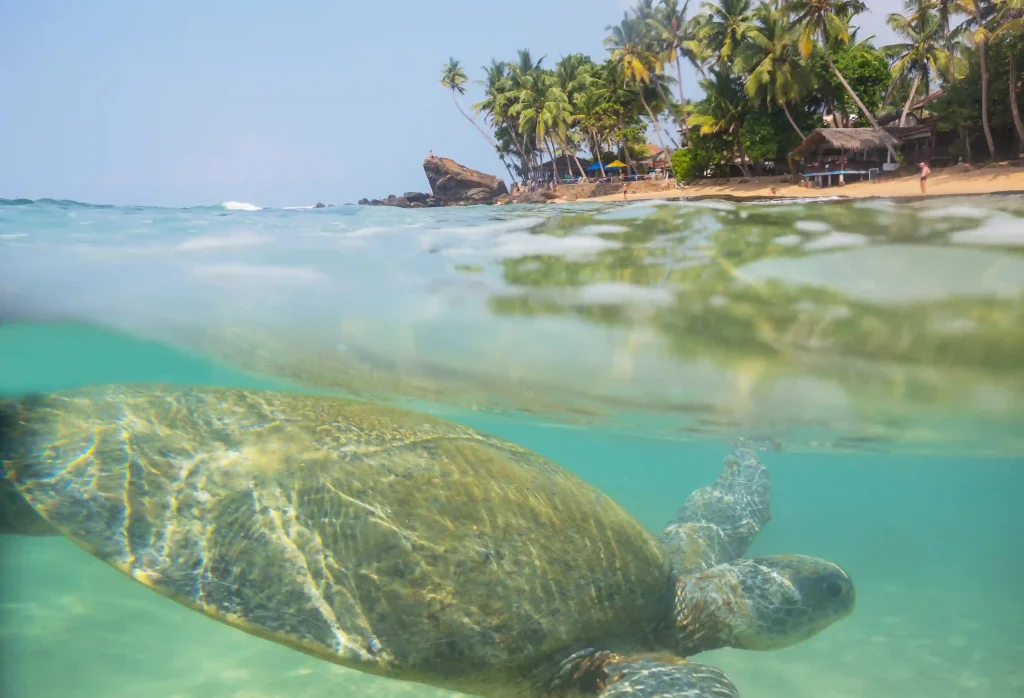
Sri Lanka is one of the most important nesting sites for sea turtles in the world. With its warm coastal waters and abundant sandy beaches, the island serves as a critical refuge for several endangered species of sea turtles, including the green, hawksbill, and olive ridley turtles. The beaches of Rekawa and Kosgoda are particularly significant for turtle nesting, and the dedicated conservation efforts in these areas help protect these ancient creatures from the various threats they face.
The Importance of Turtle Conservation in Sri Lanka
Sea turtles play a vital role in maintaining the balance of marine ecosystems. As they help in the health of coral reefs, maintain sea grass beds, and support fish populations by controlling jellyfish numbers, the protection of turtles is crucial not only for the species itself but also for the health of the broader marine environment. However, these creatures are under constant threat due to habitat destruction, poaching, pollution, and accidental capture in fishing nets.
Sri Lanka’s beaches provide an ideal environment for sea turtles to lay their eggs, making it a key area for conservation efforts. The country’s commitment to protecting sea turtles is reflected in the numerous turtle hatcheries that have been established along its coasts, where both local and international tourists can witness the incredible lifecycle of these magnificent creatures.
Rekawa Turtle Hatchery: A Sanctuary for Sea Turtles
Located along the southern coast of Sri Lanka, Rekawa Beach is one of the most important nesting sites for sea turtles in the country. It is home to several species, including the olive ridley and green turtles. The Rekawa Turtle Hatchery plays a pivotal role in safeguarding the eggs and hatchlings that are laid here. The hatchery was established in the 1990s as a response to the growing threats to turtle populations in the area, such as egg poaching and predation by animals like dogs and wild pigs.
What You Can Experience at Rekawa Turtle Hatchery:
- Turtle Nesting Season: The nesting season typically runs from November to April, and during this time, visitors can witness adult turtles coming ashore at night to lay their eggs. This is a rare and magical experience, as visitors get to see the turtles in their natural habitat, guided by expert conservationists who ensure that the turtles are not disturbed.
- Hatchling Release: After the eggs are collected, they are carefully buried in the hatchery’s protected environment. Once the baby turtles hatch, visitors can participate in the release process. Witnessing the tiny hatchlings make their way to the ocean is a heartwarming moment and an unforgettable part of the visit.
- Educational Opportunities: The hatchery is dedicated to educating visitors about sea turtle conservation efforts. Knowledgeable staff provide insight into the turtle life cycle, the challenges they face, and the important role these animals play in marine ecosystems. Educational programs help raise awareness about the need to protect these endangered species for future generations.
Conservation Efforts:
- Egg Protection: The primary goal of the hatchery is to protect the eggs from poaching and natural predators. Eggs are carefully collected and placed in the hatchery’s sand pits, where they are safe until hatching.
- Monitoring Turtle Populations: Conservationists at the hatchery monitor the turtle nesting patterns and provide critical data to track population trends and ensure the sustainability of the species in the region.
Kosgoda Turtle Hatchery: A Key Partner in Conservation
Situated along the southwestern coast of Sri Lanka, Kosgoda is another crucial site for turtle nesting and a hub for turtle conservation efforts. The Kosgoda Turtle Hatchery, founded in the 1980s, works tirelessly to protect and conserve various species of sea turtles. The hatchery is well-known for its meticulous work in educating the public about the importance of marine life and environmental protection.
What You Can Experience at Kosgoda Turtle Hatchery:
- Turtle Nesting Sightings: The nesting season is the best time to visit the Kosgoda Turtle Hatchery, where you can see sea turtles coming ashore to lay their eggs. The sight of a turtle slowly hauling itself onto the beach to nest is a breathtaking and rare opportunity to witness one of nature’s most ancient rituals.
- Hatchling Release Events: The hatchery regularly holds events where visitors can witness the release of baby turtles into the ocean. This experience is often emotional, as seeing the tiny turtles take their first steps towards the water symbolizes hope for the future of the species.
- Hands-On Experiences: Kosgoda Turtle Hatchery offers opportunities for visitors to engage directly with conservation activities. Guests can assist with collecting eggs, helping with the release of hatchlings, or taking part in beach clean-up initiatives that help reduce threats to turtle habitats from human activity and pollution.
Conservation Efforts:
- Hatchling Protection: Like Rekawa, Kosgoda Hatchery works to protect turtle eggs and hatchlings by carefully monitoring nesting sites and ensuring that the eggs are moved to a safe, controlled environment. The hatchery also protects the vulnerable hatchlings from predators and human interference.
- Research & Awareness Programs: The hatchery’s focus extends beyond just protecting the turtles. It works closely with local communities to raise awareness about the importance of turtle conservation and the long-term environmental benefits of protecting these animals. This includes outreach programs in schools, community centers, and tourist hotels.
- Release of Hatchlings: The hatchlings are monitored until they are strong enough to be released into the wild. A key aspect of the hatchery’s mission is to ensure that as many hatchlings as possible make it to the ocean, where they have a chance to grow and eventually return to the beaches to nest.
Why Turtle Conservation Matters
The conservation of sea turtles in Sri Lanka is not just about protecting an individual species—it’s about protecting the fragile ecosystems they inhabit. By ensuring the survival of these ancient reptiles, we are also helping to preserve vital marine environments such as coral reefs and sea grass beds, which are integral to the island’s broader ecological health.
In addition to the ecological benefits, turtle conservation creates awareness about the dangers of human impact on marine environments, including plastic pollution, overfishing, and habitat destruction. Local communities benefit economically through ecotourism, as visitors come to see the turtle hatching events, and they also gain a deeper understanding of the need for sustainable environmental practices.
How You Can Help: Supporting Turtle Conservation
As a visitor to Sri Lanka, you have a unique opportunity to participate in and support turtle conservation efforts. Here are a few ways you can make a positive impact:
- Support Turtle Hatcheries: Visit Rekawa and Kosgoda Turtle Hatcheries to support their work. Entrance fees and donations go directly toward conservation activities, ensuring the protection of sea turtles.
- Be Responsible on Beaches: Avoid disturbing turtles while they are nesting and always follow the guidelines provided by conservationists. Do not leave trash or litter on beaches, as it can harm both turtles and other wildlife.
- Participate in Educational Programs: Take part in educational programs offered by the hatcheries to learn more about sea turtle conservation and how you can help protect marine life in your everyday life.
- Make Sustainable Choices: Reduce plastic waste and make sustainable choices when traveling, from using reusable bags to avoiding products that contribute to pollution.