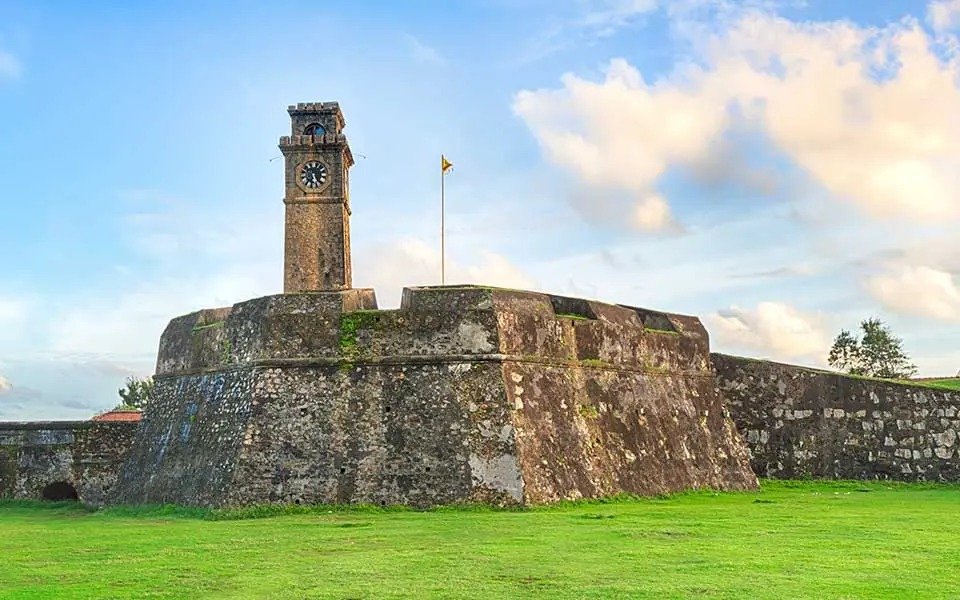
Sri Lanka’s highlands have a rich colonial history, and many historic buildings still stand as silent witnesses to the island’s past. Nuwara Eliya, often referred to as “Little England”, is home to several iconic colonial landmarks that echo the influence of the British colonial era. The Grand Hotel, a majestic building built in the 19th century, showcases British architecture and offers visitors a chance to experience colonial luxury with modern amenities. The old British post office, another architectural gem, is a fine example of Victorian-era design, complete with its red-brick exterior and quaint charm.
These landmarks, among others, give visitors a glimpse into Sri Lanka’s colonial past, offering a fascinating contrast to the natural beauty of the region. Wandering through these historic sites, one can almost feel the presence of the British planters and officials who once roamed these hills, shaping the cultural and architectural landscape of the area.
Temple of the Sacred Tooth Relic: A Spiritual Pilgrimage
No cultural journey through the highlands is complete without a visit to Kandy, home to one of Sri Lanka’s most sacred religious sites—the Temple of the Sacred Tooth Relic. This UNESCO World Heritage Site is believed to house the tooth relic of the Buddha, making it one of the holiest Buddhist temples in the world. The temple is not only an important spiritual site but also an architectural marvel, with its intricate carvings, golden roofs, and serene surroundings.
Visitors can witness traditional Buddhist rituals, where priests chant mantras and devotees make offerings in reverence to the relic. The spiritual atmosphere is palpable, and it’s easy to understand why this temple has been a pilgrimage destination for centuries. Exploring the temple complex and surrounding areas provides a deep connection to Sri Lanka’s Buddhist heritage and offers insights into the spiritual practices that have shaped the culture of the highlands.
Cultural Festivals: Highland Celebrations
Sri Lanka’s highlands come alive during its cultural festivals, which offer a vibrant display of the island’s rich traditions. The Kandy Esala Perahera, one of the most spectacular festivals in Sri Lanka, takes place annually in Kandy and draws thousands of visitors from around the world. The festival, which honors the Sacred Tooth Relic, is a grand procession of dancers, drummers, and adorning elephants. The elephants, draped in magnificent ceremonial attire, are the highlight of the procession, accompanied by a rhythmic beat of drums, and traditional dancers in colorful costumes.
The Kandy Esala Perahera is an expression of Sri Lanka’s cultural and spiritual devotion, combining elements of Buddhist and Hindu traditions in a spectacular visual feast. The festival offers travelers a chance to immerse themselves in the country’s vibrant traditions and witness the deep connection between religion, art, and culture in Sri Lanka’s highlands.
Other festivals throughout the highlands, such as the Nuwara Eliya May Day Parade and the Haputale Tea Festival, celebrate the region’s agricultural heritage, local folklore, and religious practices. These lively events provide an excellent opportunity to experience Sri Lanka’s rich cultural diversity and the vibrant community spirit of the hill country.
Traditional Crafts & Handloom Weaving: Highland Artistry
Sri Lanka is home to a wide array of traditional crafts, many of which are still practiced today by skilled artisans in the highlands. Handloom weaving is one of the most celebrated traditional crafts in Sri Lanka, and visitors to the hill country can visit local workshops to see how artisans create beautifully woven fabrics using age-old techniquespassed down through generations. The vibrant colors and intricate patterns of the Sri Lankan textiles reflect the island’s rich cultural heritage, and each piece tells a story of the community and the artisan who created it.
The highlands of Sri Lanka are known for producing some of the most exquisite handloom fabrics in the country, from sarongs to shawls and tablecloths. Visitors can watch the artisans at work, using traditional looms to weave colorful textiles by hand, often incorporating intricate designs that reflect Sri Lanka’s natural beauty and cultural symbols. For those interested in taking home a piece of Sri Lanka’s heritage, purchasing handwoven fabrics or handmade crafts is a perfect way to support local artisans while taking home a unique and meaningful souvenir.