
Sri Lanka has emerged as one of the most captivating destinations for Australian travellers seeking an authentic Asian experience without the overwhelming crowds. This teardrop-shaped island offers a remarkable diversity of landscapes, from ancient cities and misty tea plantations to pristine beaches and wildlife-rich national parks, all within a compact area perfect for a two to three-week holiday. With improved flight connections, favorable exchange rates and simplified visa procedures in 2026, sri lanka holidays from australia have never been more accessible or appealing. Whether you're drawn to cultural immersion, wildlife encounters, beach relaxation or a combination of experiences, understanding the practicalities of planning your journey will ensure a seamless and memorable adventure.
Why Australian Travellers Are Choosing Sri Lanka in 2026
The surge in popularity of sri lanka holidays from australia stems from several compelling factors that align perfectly with what Australian travellers value most. The island's compact size means you can experience extraordinary diversity without spending excessive time in transit, a significant advantage over destinations like India or Southeast Asia where distances between highlights can be exhausting.
Cultural Richness and UNESCO Heritage Sites
Sri Lanka boasts eight UNESCO World Heritage Sites packed into an area roughly the size of Tasmania, including the ancient rock fortress of Sigiriya, the sacred city of Kandy, and the colonial architecture of Galle Fort. These sites offer profound historical insights spanning over 2,500 years of civilization.
Australian travellers particularly appreciate:
- English-speaking locals making communication effortless
- Genuine hospitality and warmth from Sri Lankan people
- Buddhist cultural practices that create a peaceful atmosphere
- Well-preserved archaeological sites with minimal commercialization
- Authentic experiences rather than tourist-manufactured attractions
The cultural depth provides a refreshing alternative to the more commercialized beach destinations Australians traditionally favor. Many travellers find the combination of spiritual sites, colonial history and vibrant local traditions creates a holiday with genuine substance and meaning.
Wildlife Encounters Rivaling Africa
For Australians accustomed to remarkable wildlife at home, Sri Lanka delivers extraordinary biodiversity in a surprisingly accessible format. The island hosts the world's highest density of leopards in Yala National Park, substantial Asian elephant populations, blue whales off the southern coast, and hundreds of endemic bird species.
| Wildlife Experience | Best Location | Optimal Season | Success Rate |
|---|---|---|---|
| Leopard Safaris | Yala National Park | February-July | High (70-80%) |
| Elephant Gathering | Minneriya/Kaudulla | July-September | Very High (90%+) |
| Blue Whale Watching | Mirissa/Trincomalee | December-April/May-October | High (80-90%) |
| Sloth Bear Sighting | Wilpattu National Park | June-October | Moderate (40-50%) |
These experiences cost significantly less than comparable African safaris, with professional guides and well-maintained parks offering excellent value for Australian travellers.
Flight Connections and Travel Time Considerations
Understanding flight logistics is fundamental when planning sri lanka holidays from australia, as travel time and routing options significantly impact your overall holiday experience and budget. Direct and one-stop options provide flexibility based on your departure city, budget constraints and time availability.
Direct Flight Options
SriLankan Airlines operates direct flights from Melbourne to Colombo approximately four times weekly, with flight duration around 10 hours. This represents the most time-efficient option for Victorian travellers and connects conveniently with domestic flights from other Australian cities.
Key advantages of direct flights include:
- Minimal travel fatigue with no transit connections
- Predictable arrival times for ground transportation coordination
- Reduced risk of luggage delays or missed connections
- Competitive pricing during promotional periods
- Straightforward travel suitable for families with young children
One-Stop Connections Through Asian Hubs
Most Australian travellers access Sri Lanka through major Asian hubs including Singapore, Kuala Lumpur, Bangkok or Doha, with total travel time typically ranging from 14 to 20 hours depending on layover duration.
Popular routing combinations include:
- Sydney/Brisbane to Colombo via Singapore (Singapore Airlines/SilkAir): Premium service with excellent airport facilities
- Perth to Colombo via Kuala Lumpur (Malaysia Airlines/Batik Air): Shortest routing from Western Australia
- Adelaide to Colombo via Doha (Qatar Airways): World-class service with modern aircraft
- Melbourne to Colombo via Bangkok (Thai Airways): Competitive pricing with optional Bangkok stopover
The choice between carriers often balances cost considerations against service quality, with Middle Eastern and Asian carriers offering competitive fares during off-peak travel periods.
Visa Requirements and Entry Formalities for Australians
Navigating visa requirements is straightforward for Australian passport holders, though regulations updated in October 2025 require advance planning through the Electronic Travel Authorization system. Understanding these requirements prevents arrival complications and ensures smooth immigration processing.
Electronic Travel Authorization (ETA) Process
All Australian nationals must obtain an ETA before departure, a simple online process typically completed within 24 hours. The system replaced the previous visa-on-arrival scheme, providing greater security and faster immigration clearance.
Application steps involve:
- Completing the online form at www.eta.gov.lk
- Providing passport details valid for six months beyond arrival
- Paying the processing fee via credit card
- Receiving email confirmation with ETA approval
- Presenting printed or digital confirmation at immigration
Current visa policies for 2026 have introduced favorable changes for Australian travelers. Recent announcements regarding free tourist visas for Australians enhance the value proposition for sri lanka holidays from australia, though verifying current fees before application remains advisable as policies can change.
Health Requirements and Vaccinations
While Sri Lanka requires no mandatory vaccinations for Australian arrivals, health precautions ensure comfortable and safe travel experiences. The recommended vaccinations for Australians include routine immunizations plus consideration for hepatitis A, typhoid and Japanese encephalitis depending on your itinerary.
Dengue fever prevention deserves particular attention, as the mosquito-borne illness occurs throughout the island. Practical prevention measures include insect repellent containing DEET, long sleeves during dawn and dusk, and accommodation with air conditioning or mosquito nets.
Optimal Travel Seasons for Australian Visitors
Understanding Sri Lanka's complex weather patterns maximizes your holiday enjoyment, as the island experiences two distinct monsoon systems affecting different regions at different times. Strategic timing allows Australians to escape winter cold or summer heat while experiencing Sri Lanka's best conditions.
Southwest Monsoon Period (May to September)
This period brings rainfall to the western and southern coastal regions, including popular beaches around Galle, Hikkaduwa and Mirissa. However, the east coast experiences its driest, sunniest weather, creating perfect conditions for beach holidays in Trincomalee, Passikudah and Arugam Bay.
Advantages for Australian winter travellers:
- Escaping Australian cold during June-August
- Excellent value with lower accommodation rates
- Fewer crowds at major cultural attractions
- Perfect conditions for east coast beach experiences
- Ideal weather for wildlife safaris in dry zone parks
The cultural triangle regions around Sigiriya, Dambulla and Polonnaruwa remain accessible year-round, with brief afternoon showers clearing quickly during monsoon periods.
Northeast Monsoon Period (October to April)
This represents peak season for west and south coast beach destinations, with consistently sunny weather, calm seas and optimal conditions for water sports. Planning your visit around weather patterns ensures the best possible experience based on your preferred activities and destinations.
December through March particularly suits Australians seeking summer holidays, with Christmas and New Year periods extremely popular for families. Early booking becomes essential during this peak window, as quality hotels fill months in advance.
| Month | Best For | Australian School Holidays | Crowd Level |
|---|---|---|---|
| January-February | South/West Coast Beaches | No | High |
| April | Cultural Sites, All-round | School Holidays | Very High |
| July-August | East Coast, Wildlife | School Holidays | Moderate-High |
| September-October | Value Season, Fewer Crowds | School Holidays (Sept) | Low-Moderate |
| December | Festive Season, Beaches | School Holidays | Very High |
Budgeting Your Sri Lanka Holiday from Australia
Financial planning for sri lanka holidays from australia requires understanding the complete cost picture beyond just flights and accommodation. Sri Lanka offers excellent value compared to other tropical destinations, with daily costs varying significantly based on travel style and preferences.
Flight Costs and Booking Strategies
Return flights from Australian capital cities to Colombo typically range from AUD 800 to AUD 2,500 depending on season, booking timing and carrier selection. Economy class fares during low season (May-June, September-October) often drop below AUD 1,000, while peak Christmas period fares can exceed AUD 2,000.
Money-saving booking strategies include:
- Booking three to six months ahead for best fare availability
- Monitoring airline sales during Australian shoulder seasons
- Considering alternative departure dates for significant savings
- Using frequent flyer points strategically for premium cabin upgrades
- Being flexible with layover cities to access competitive routing
Accommodation Options Across Price Ranges
Sri Lanka's accommodation spectrum spans from budget guesthouses at AUD 30-50 per night to ultra-luxury resorts exceeding AUD 800 per night, with excellent mid-range options offering exceptional value for Australian travellers.
Typical accommodation costs per night:
- Budget: AUD 30-80 (guesthouses, basic hotels)
- Mid-range: AUD 80-200 (boutique hotels, quality beach resorts)
- Upscale: AUD 200-400 (luxury hotels, premium boutiques)
- Ultra-luxury: AUD 400+ (five-star resorts, exclusive properties)
Many Australian travellers find the mid-range category delivers remarkable quality, with characterful boutique properties, excellent service and beautiful settings at prices significantly below comparable Australian accommodation.
Daily Expenses and On-Ground Costs
Transportation, meals, entrance fees and activities constitute your daily operational budget, with substantial variation based on travel style. Hiring a private vehicle with driver (standard for international visitors) costs approximately AUD 80-120 daily including fuel, providing comfortable, safe transport with knowledgeable local insights.
Restaurant meals range from AUD 3-8 for local rice and curry at authentic establishments to AUD 20-40 per person at tourist-oriented restaurants serving international cuisine. National park entrance fees, archaeological site tickets and activity costs remain modest compared to Western standards, typically AUD 10-40 per attraction.
Designing Your Perfect Itinerary
Creating an effective itinerary for sri lanka holidays from australia balances ambitious sightseeing with realistic travel times and necessary rest periods. The island's compact nature tempts over-scheduling, yet Sri Lankan road conditions and traffic require generous time allowances between destinations.
Classic Two-Week Circuit
The quintessential Sri Lankan journey combines cultural triangle highlights, hill country scenery and beach relaxation in a well-paced two-week framework. This itinerary suits first-time visitors seeking comprehensive experiences without excessive rushing.
Recommended routing:
- Colombo arrival and transfer to cultural triangle (1 night Sigiriya area)
- Ancient cities exploration – Sigiriya, Dambulla, Polonnaruwa (2-3 nights)
- Wildlife safari – Minneriya or Kaudulla National Park (included in cultural triangle stay)
- Hill country journey – Kandy temple, scenic train to Ella (3 nights split between Kandy and Ella)
- Southern coast beaches – Galle Fort, Mirissa or Unawatuna (5-6 nights)
- Return to Colombo for departure (1 night if early flight)
This framework allows customization based on specific interests, with flexibility to extend beach time, add additional wildlife parks or incorporate tea plantation visits around Nuwara Eliya.
Family-Friendly Adaptations
Families with children benefit from modified pacing that reduces early morning starts, incorporates child-friendly activities and allows recovery time between intensive sightseeing days. Beach resorts with family facilities, wildlife experiences that captivate young travelers and hands-on cultural activities create engaging experiences for all ages.
When planning family-oriented experiences, Tailor-Made Holidays designed around your children's ages and interests ensure everyone enjoys age-appropriate activities while parents appreciate quality accommodation and reliable logistics.
Specialty Interest Itineraries
Sri Lanka accommodates diverse special interests beyond the standard sightseeing circuit, with dedicated itineraries for wildlife photographers, birdwatchers, surf enthusiasts, wellness seekers and culinary travelers.
Popular specialty themes include:
- Wildlife and nature focus: Extended safari time across multiple national parks
- Surfing holidays: East or south coast depending on season, lesson packages
- Wellness and Ayurveda: Dedicated retreat stays with traditional treatments
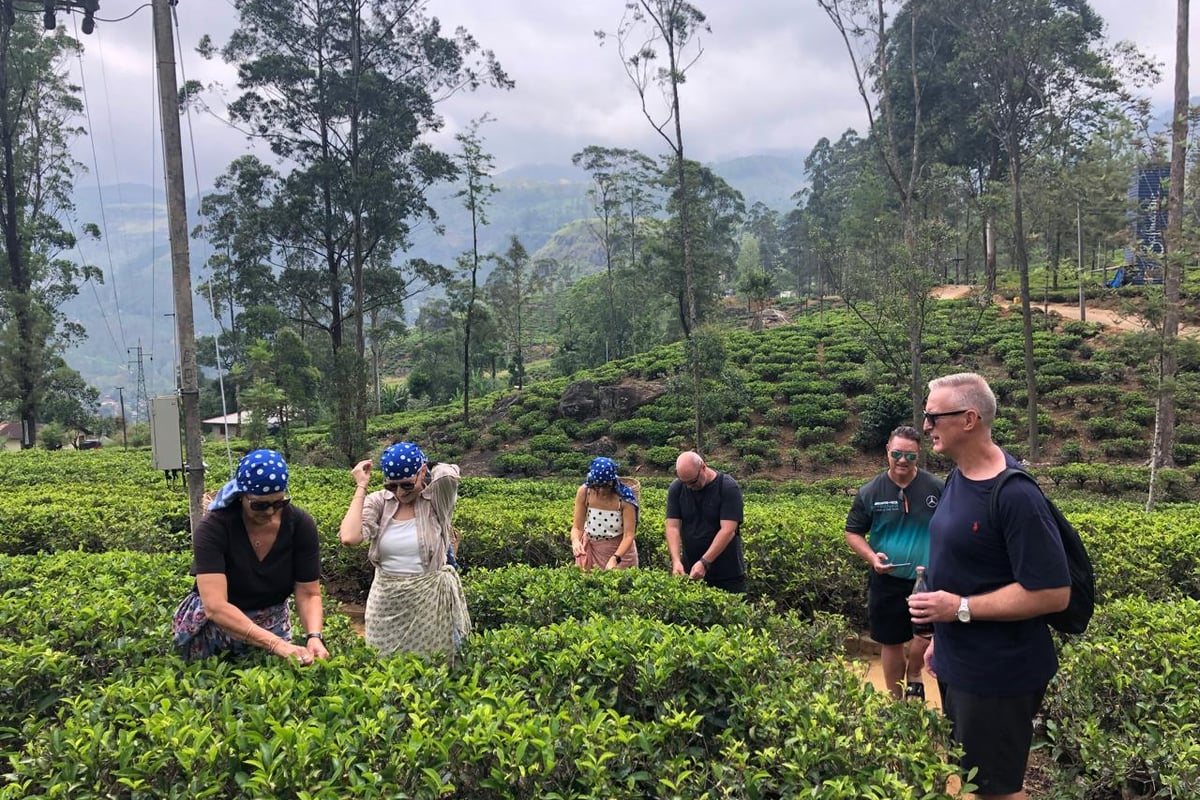
- Tea country immersion: Plantation stays, factory visits, mountain hiking
- Photography workshops: Guided experiences in photogenic locations
Practical Travel Considerations and Safety
Australian travellers generally find Sri Lanka safe, welcoming and straightforward to navigate, though understanding local customs, transport options and practical matters enhances comfort and enjoyment. Recent clarifications confirm that Australia’s travel advisory for Sri Lanka remains at "exercise normal safety precautions," the same level as many popular destinations.
Transportation Within Sri Lanka
Private vehicle with driver represents the overwhelmingly preferred transport method for international visitors, offering comfort, flexibility, safety and local knowledge that vastly improves the travel experience. Drivers function as informal guides, photographers, restaurant recommenders and problem-solvers throughout your journey.
Daily driver costs (AUD 80-120 including vehicle and fuel) prove economical when split among traveling companions, with substantial value compared to self-driving rental vehicles. Sri Lankan traffic conditions, driving styles and navigation challenges make self-driving inadvisable for most Australian visitors.
Alternative transport options include:
- Scenic train journeys: Kandy to Ella route offers spectacular mountain views
- Domestic flights: Colombo to Jaffna or Trincomalee saves extended road time
- Tuk-tuks: Short urban distances and authentic local experience
- Tourist buses: Budget option with fixed routes and schedules
Cultural Etiquette and Local Customs
Respectful cultural engagement enhances interactions with Sri Lankan people and deepens your travel experience. Buddhist temples require modest dress (covered shoulders and knees), shoe removal before entering and respectful behavior near sacred objects and images.
Photography etiquette includes asking permission before photographing local people, avoiding selfies with Buddha statues (considered disrespectful), and respecting "no photography" signs at certain temples and archaeological sites. Essential travel tips provide comprehensive guidance on cultural norms, practical advice and local customs that Australian visitors should understand.
Money Matters and Currency Exchange
Sri Lanka operates on the Sri Lankan Rupee (LKR), with exchange rates typically around AUD 1 = LKR 130-140 (rates fluctuate). ATMs are widely available in tourist areas and cities, accepting international cards and dispensing local currency at favorable rates compared to currency exchange counters.
Financial best practices include:
- Notifying your Australian bank of travel dates to prevent card blocks
- Carrying multiple payment methods (two different cards minimum)
- Using ATMs at bank branches rather than standalone machines
- Keeping small denomination notes for minor purchases and tips
- Monitoring exchange rates through reliable currency apps
Credit cards see acceptance at hotels, upscale restaurants and tourist-oriented businesses, though small vendors, local restaurants and rural areas operate cash-only. Carrying adequate rupees for daily expenses prevents inconvenient situations.
Regional Highlights Worth Prioritizing
Understanding Sri Lanka's distinct regions helps Australian travellers prioritize destinations based on personal interests and available time. Each area offers unique attractions, landscapes and experiences that justify dedicated attention in your itinerary planning.
Cultural Triangle – Ancient Cities and History
The north-central region encompasses Sri Lanka's most significant archaeological treasures, including Anuradhapura (ancient capital with massive dagobas), Polonnaruwa (medieval city ruins), Sigiriya (iconic rock fortress) and Dambulla (cave temple complex). These UNESCO World Heritage Sites reveal the island's sophisticated ancient civilizations spanning over two millennia.
The region's flat, dry landscape differs dramatically from coastal and hill areas, with temperatures reaching 35°C during midday hours. Early morning visits to major sites prove most comfortable, avoiding peak heat and tour group crowds that arrive mid-morning.
Hill Country – Tea Plantations and Scenic Railways
The central highlands offer cooler temperatures, spectacular mountain scenery, cascading waterfalls and endless tea plantations creating a verdant landscape completely unlike coastal regions. Towns like Kandy, Nuwara Eliya and Ella provide bases for exploring plantation estates, hiking to viewpoints and experiencing colonial-era charm.
The train journey between Kandy and Ella ranks among Asia's most scenic railway experiences, winding through tea-covered mountains, past waterfalls and alongside dramatic valleys. Second-class observation cars offer excellent views at reasonable prices, though booking several days ahead proves necessary during peak season.
Southern and Western Coasts – Beaches and Marine Life
The southwestern coastline delivers Sri Lanka's most developed beach infrastructure, with established resorts, beach clubs, water sports facilities and dining options catering to international tastes. Galle Fort combines beach proximity with historical architecture, boutique hotels and cosmopolitan atmosphere that appeals to Australian travellers.
Mirissa and Weligama offer whale watching, surfing opportunities and relaxed beach vibes, while Unawatuna and Hikkaduwa provide family-friendly swimming conditions with abundant beachfront accommodation. These areas contrast sharply with the cultural triangle's historical focus, providing essential balance in comprehensive itineraries.
Eastern Coast – Unspoiled Beaches and Diving
Sri Lanka's eastern shoreline remains less developed than the south and west, offering pristine beaches, excellent diving conditions and authentic coastal village atmospheres. Trincomalee, Nilaveli, Uppuveli and Passikudah deliver powder-soft sand, crystal-clear waters and fewer crowds than southern counterparts.
This region experiences opposite weather patterns to the southwest coast, with optimal conditions from May through October when the southwest monsoon affects other coastal areas. Australians visiting during winter months should prioritize eastern beaches for the best swimming, snorkeling and diving experiences.
Combining Sri Lanka with Maldives
Many Australian travellers maximize their long-haul journey by combining Sri Lankan cultural exploration with Maldivian luxury beach experiences, creating the ultimate Indian Ocean holiday. This combination proves particularly popular for honeymooners, couples and travelers seeking both adventure and relaxation.
The proximity of destinations (short 90-minute flight) enables seamless twin-center holidays without excessive transit time or logistical complexity. Typical combinations involve 7-10 days exploring Sri Lankan highlights followed by 4-7 nights at a Maldivian resort, balancing active sightseeing with ultimate beach relaxation.
Benefits of combination holidays include:
- Maximizing value from expensive long-haul flights
- Experiencing cultural immersion and luxury beach time
- Recovering from Sri Lankan touring with resort relaxation
- Creating diverse holiday memories and photo opportunities
- Justifying extended leave from work with extraordinary destinations
Understanding the distinct experiences these destinations offer prevents unrealistic expectations. Sri Lanka delivers cultural depth, wildlife encounters and active exploration, while Maldives provides overwater luxury, snorkeling, diving and pure relaxation in exclusive resort settings. For travellers looking to explore this perfect pairing further, our Sri Lanka and Maldives packages combine both destinations seamlessly with expert local planning and coordinated logistics.
Authentic Local Experiences Beyond Tourist Highlights
While major attractions rightfully feature in most itineraries for sri lanka holidays from australia, incorporating authentic local experiences creates meaningful cultural connections that transform good holidays into unforgettable journeys. These interactions provide insights into contemporary Sri Lankan life beyond historical sites and resort environments.
Culinary Immersion and Cooking Classes
Sri Lankan cuisine offers complex flavors, aromatic spices and regional variations that deserve dedicated attention from food-loving Australian travellers. Participating in cooking classes with local families reveals traditional preparation methods, spice combinations and the cultural significance of rice and curry in Sri Lankan daily life.
Markets visits expose the incredible variety of tropical produce, fresh seafood and exotic ingredients unavailable in Australian supermarkets. Knowledgeable guides explain ingredient selection, bargaining etiquette and the social dynamics of these vibrant community gathering spaces.
Village Homestays and Rural Experiences
Spending a night or two in village homestays provides intimate glimpses of rural life, agricultural practices and traditional customs that hotels cannot replicate. These experiences often include participating in rice farming, bullock cart rides, traditional fishing methods and home-cooked meals with host families.
The genuine hospitality of Sri Lankan villagers creates lasting memories and human connections that transcend typical tourist experiences. Australian travellers consistently rate these interactions as holiday highlights, despite basic accommodation conditions compared to hotels.
Wildlife Conservation and Responsible Tourism
Engaging with conservation projects, elephant sanctuaries (genuine sanctuaries, not exploitative attractions) and turtle hatcheries allows meaningful contributions to Sri Lanka's environmental protection efforts. Selecting ethical wildlife experiences over exploitative tourist traps demonstrates responsible tourism that protects animals while supporting local communities.
Research before booking ensures activities genuinely support conservation rather than disguise animal exploitation as protection. Genuine sanctuaries prioritize animal welfare over tourist interaction, provide transparent information about their work and welcome questions about their practices and funding.
Sri Lanka holidays from Australia offer remarkable diversity, cultural authenticity and exceptional value for travelers seeking experiences beyond typical tropical beach destinations. From ancient UNESCO sites and spectacular wildlife to pristine beaches and warm hospitality, this compact island nation delivers memorable adventures that justify the journey from across the Indian Ocean. Whether you're planning a family adventure, romantic honeymoon, or solo exploration, working with specialists who understand both Australian traveler preferences and Sri Lankan local knowledge ensures seamless logistics and authentic experiences. Estiaco Holidays designs personalized itineraries based on your interests, budget and travel style, handling every detail from visa assistance to ground transportation while providing expert recommendations that only local destination specialists can offer.