The Maldives is a snorkeling paradise, offering some of the most vibrant and diverse marine ecosystems on the planet. With its crystal-clear waters, abundant marine life, and pristine coral reefs, snorkeling in the Maldives is an experience that combines relaxation, exploration, and wonder. Here’s everything you need to know about snorkeling in the Maldives, including when to go, where to go, and what types of marine life you can expect to encounter.
Why Snorkeling in the Maldives Is a Must-Do Experience
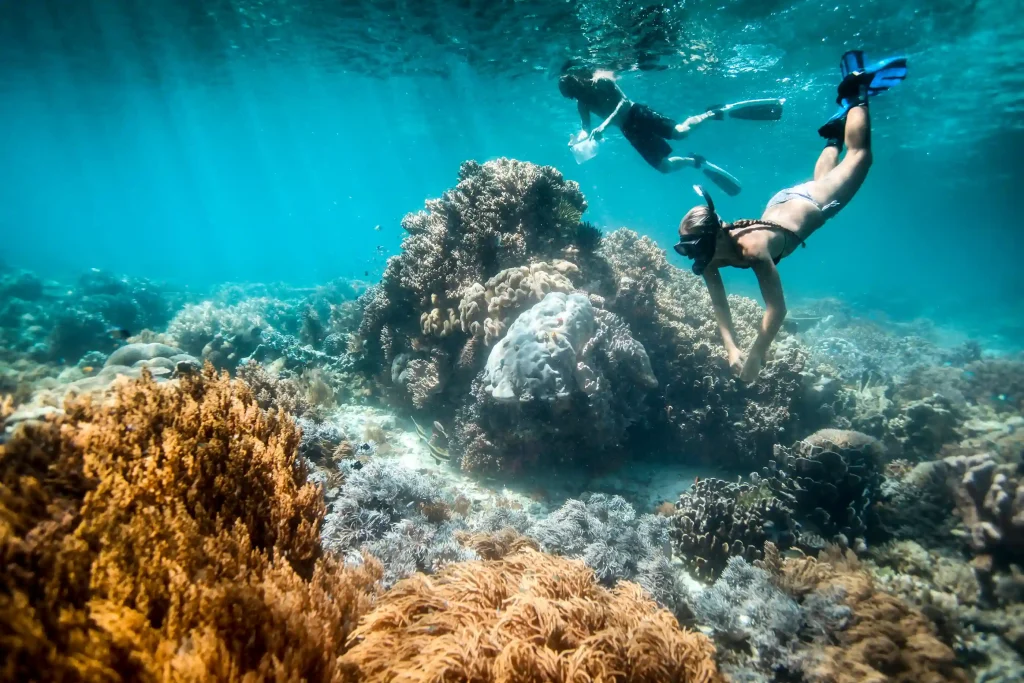
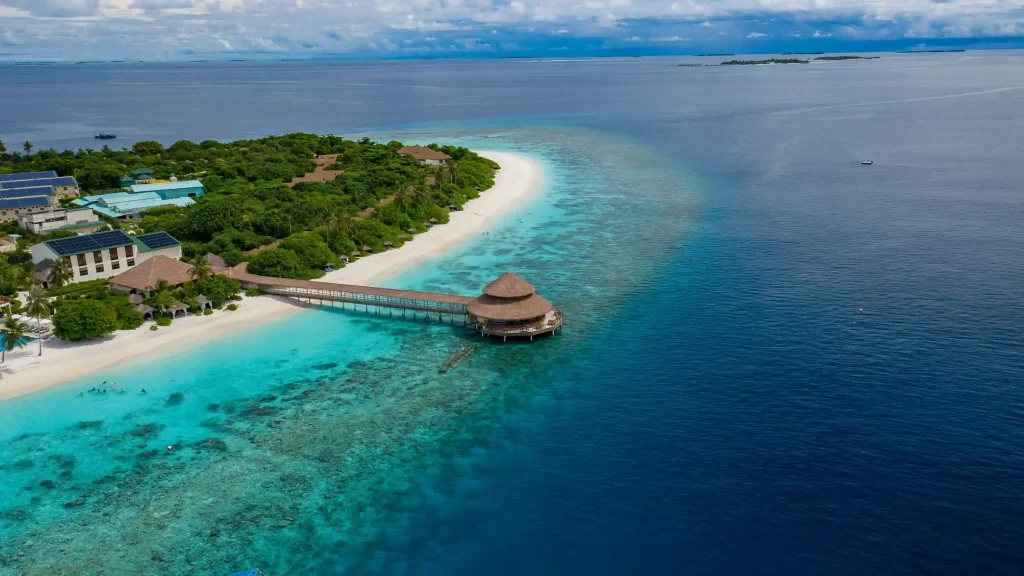
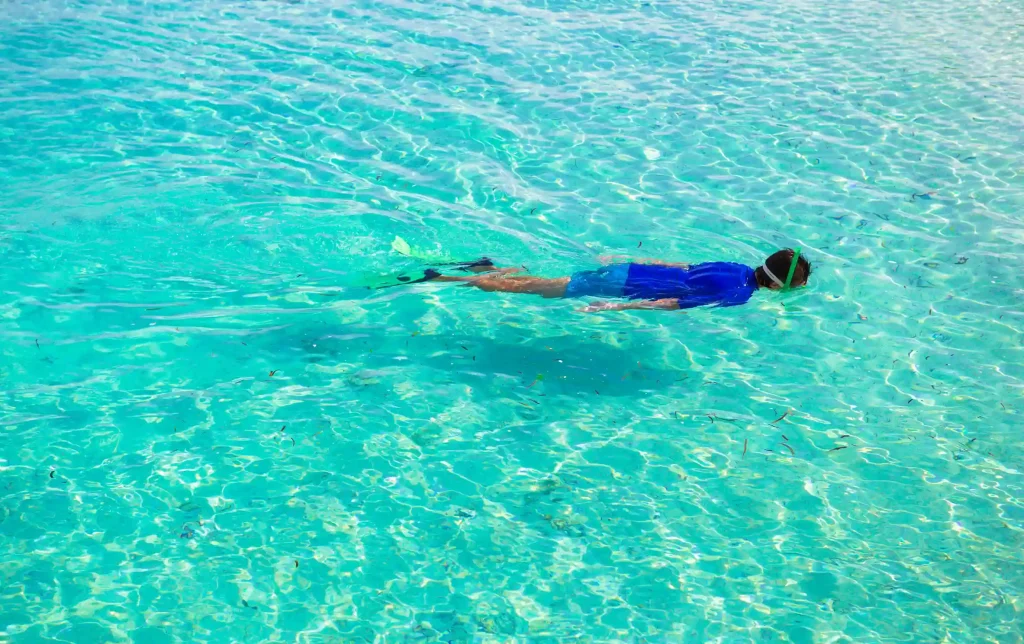
The Maldives is home to over 2,000 islands spread across 26 atolls, each surrounded by stunning coral reefs and an incredible variety of marine life. Snorkeling in the Maldives is an unparalleled opportunity to experience the underwater world firsthand. Whether you’re an experienced snorkeler or a beginner, the Maldives offers something for everyone, with shallow waters and protected coral reefs that make it easy to explore.
When to Go Snorkeling in the Maldives
Snorkeling can be enjoyed year-round in the Maldives, thanks to its warm tropical climate. However, there are certain times of the year that are particularly ideal for the best snorkeling experience:
- November to April (Dry Season): This is considered the peak season for snorkeling in the Maldives. During this time, the weather is warm and sunny, with minimal rainfall. The seas are calm, offering excellent visibility for snorkeling. The water temperature is typically around 28°C to 30°C (82°F to 86°F), making it perfect for comfortable, prolonged snorkeling sessions.
- May to October (Wet Season): While the wet season sees more rain, it also offers a unique opportunity to see different marine species, as this is when the Maldives experiences more plankton blooms. This attracts larger marine animals like manta rays and whale sharks, which can be seen in some areas during these months. Visibility may not be as clear as during the dry season, but the chances of encountering larger marine creatures increase.
Where to Go Snorkeling in the Maldives
The Maldives offers a wealth of fantastic snorkeling spots across its islands. The best snorkeling locations tend to be found near the house reefs of resorts, uninhabited islands, and nearby coral gardens. Here are some of the most famous snorkeling areas in the Maldives:
- House Reefs at Resorts: Many resorts in the Maldives have their own house reefs, which can be accessed directly from the shore. These reefs are often shallow, making them perfect for snorkeling. The water around house reefs is typically calm and home to a variety of colorful fish and corals.
- North Ari Atoll: Known for its vibrant coral gardens and rich marine biodiversity, the North Ari Atoll is a top snorkeling destination. You can find a variety of fish species, manta rays, and sea turtles, especially around the popular reefs such as Fish Head.
- South Ari Atoll: This atoll is famous for its manta ray sightings. During certain months of the year, you can snorkel alongside these majestic creatures as they feed and swim in the area. The clear waters here also offer the chance to spot sharks, dolphins, and colorful reef fish.
- Vaavu Atoll: Vaavu Atoll is home to some of the most pristine coral reefs in the Maldives. The shallow waters here make it ideal for snorkeling, and you can encounter a wide range of marine life, including sea turtles, sharks, and rays.
- Baa Atoll: A UNESCO Biosphere Reserve, Baa Atoll is famous for its rich marine life. The reefs here are teeming with biodiversity, and you can enjoy snorkeling alongside colorful fish, manta rays, and sea turtles.
- Hinnavaru Reef: Located near the island of Hinnavaru, this reef is known for its incredible biodiversity. It’s a great spot for snorkelers looking to experience a variety of marine species, from parrotfish to butterfly fish.
- The Blue Hole: A popular snorkeling and diving destination, the Blue Hole is a large underwater sinkhole located near the island of Goidhoo. It’s filled with marine life and offers excellent visibility for those who want to explore the depths of the ocean.
What Marine Life Can You Expect to See?
One of the biggest draws of snorkeling in the Maldives is the rich variety of marine life that thrives in its warm waters. Some of the most common marine species you can expect to encounter while snorkeling in the Maldives include:
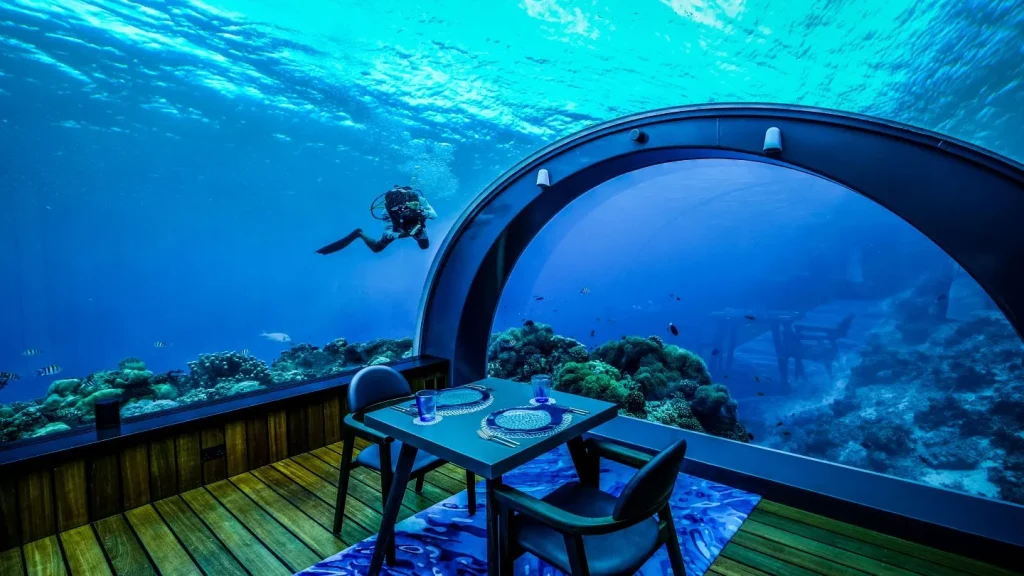
- Coral Reefs: The Maldives boasts some of the world’s most spectacular coral reefs, which are home to a vast array of marine species. The coral gardens are teeming with colorful hard and soft corals, offering a breathtaking underwater landscape.
- Tropical Fish: The Maldives is home to a wide variety of tropical fish, including clownfish, butterfly fish, parrotfish, and angel fish. These vibrant species add to the beauty of the coral reefs and are often seen swimming in schools.
- Sea Turtles: The Maldives is one of the best places in the world to spot sea turtles. Green turtles and hawksbill turtles are commonly seen in the waters around the islands. They can often be spotted swimming near coral reefs and seagrass beds.
- Manta Rays: The Maldives is one of the few places where you can snorkel with manta rays. These gentle giants can often be seen gliding through the water, particularly in the South Ari Atoll, where they gather to feed during certain times of the year.
- Whale Sharks: The Maldives is one of the best places in the world to snorkel with whale sharks, the largest fish in the ocean. These magnificent creatures can often be found in the open waters around the Baa Atoll and South Ari Atoll.
- Sharks: While shark sightings can be rare, the Maldives is home to a variety of shark species, including blacktip reef sharks, white-tip reef sharks, and nurse sharks. These creatures are typically non-aggressive and pose no threat to snorkelers.
- Moorish Idol: This striking fish, with its elongated dorsal fin and black, white, and yellow markings, is often spotted around the coral reefs and adds to the spectacular underwater experience.
- Rays: Snorkelers can often encounter stingrays and eagle rays gliding through the waters, especially near sandy flats and seagrass beds.
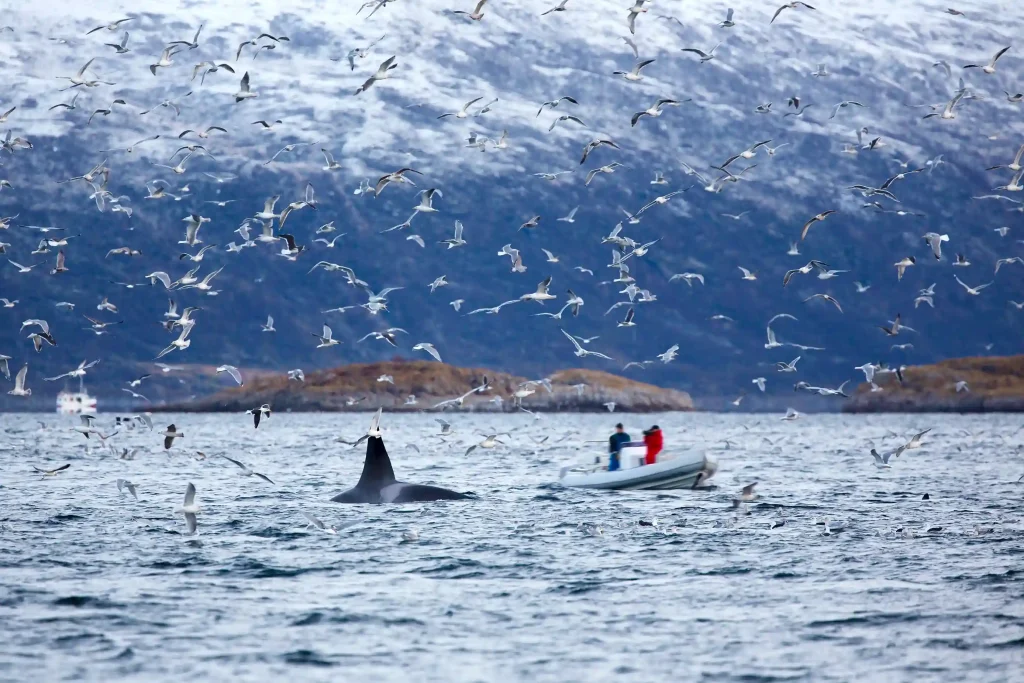
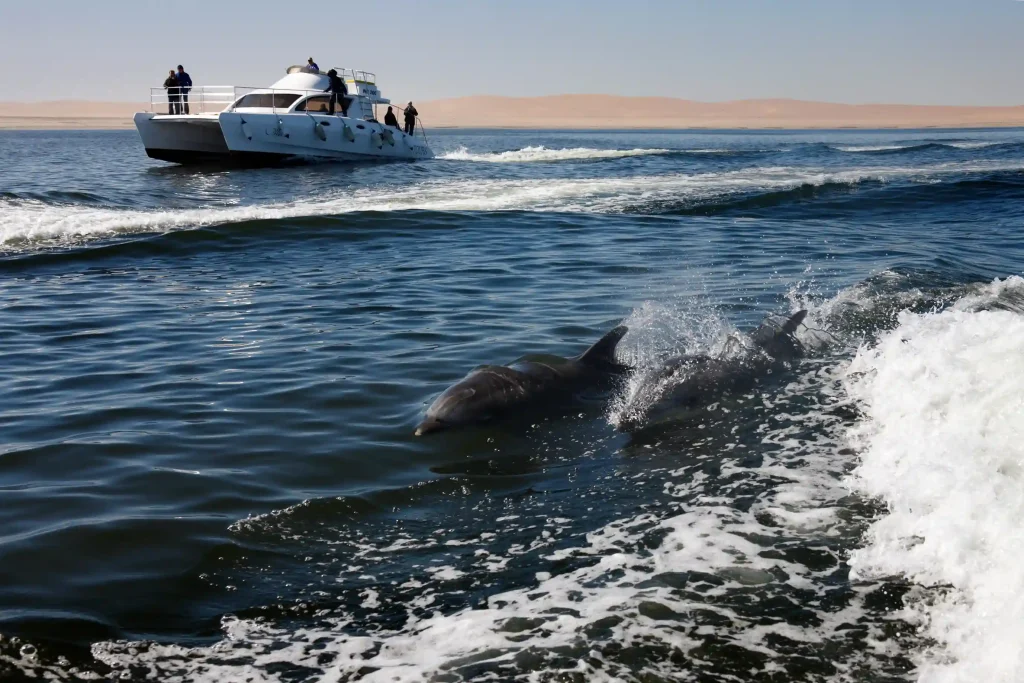
- Dolphins and Whales: While not always spotted while snorkeling, dolphins and migrating whales are frequently seen in the Maldives. Many boat tours also offer opportunities to see dolphins in their natural habitat.
Types of Snorkeling Experiences in the Maldives
- Guided Snorkeling Tours: Many resorts and local operators offer guided snorkeling tours, where you can explore the best spots with a local expert. These tours are great for those who want to learn about the marine life and ensure they visit the best snorkeling locations.
- Night Snorkeling: For a completely different experience, night snorkeling offers the chance to see marine life that’s more active at night. This includes nocturnal species such as bioluminescent plankton, moray eels, and even hunting reef sharks.
- Private Snorkeling Trips: For a more intimate and personalized experience, many operators offer private snorkeling trips where you can explore remote reefs and pristine lagoons away from the crowds. These trips are ideal for couples or small groups looking for a more serene experience.
- Snorkeling with Manta Rays: For those visiting during the right season, snorkeling with manta rays is one of the highlights of a Maldives vacation. These tours are typically conducted at specific manta cleaning stations where large groups of mantas gather.
Safety Tips for Snorkeling in the Maldives
- Stay within Designated Areas: Always snorkel within the designated areas or house reefs, especially if you’re new to snorkeling.
- Use Reef-Safe Sunscreen: Protect the delicate coral reefs by using biodegradable, reef-safe sunscreen.
- Be Mindful of the Marine Life: Do not touch or disturb marine creatures. Remember that you’re a visitor in their natural habitat.
- Stay Hydrated: The warm tropical climate can be dehydrating, so make sure to drink plenty of water.
- Buddy System: It’s always a good idea to snorkel with a partner or a guide, especially if you are unfamiliar with the waters.
- Respect the Environment: Do not remove anything from the ocean and be mindful of the coral reefs, as they are fragile ecosystems.