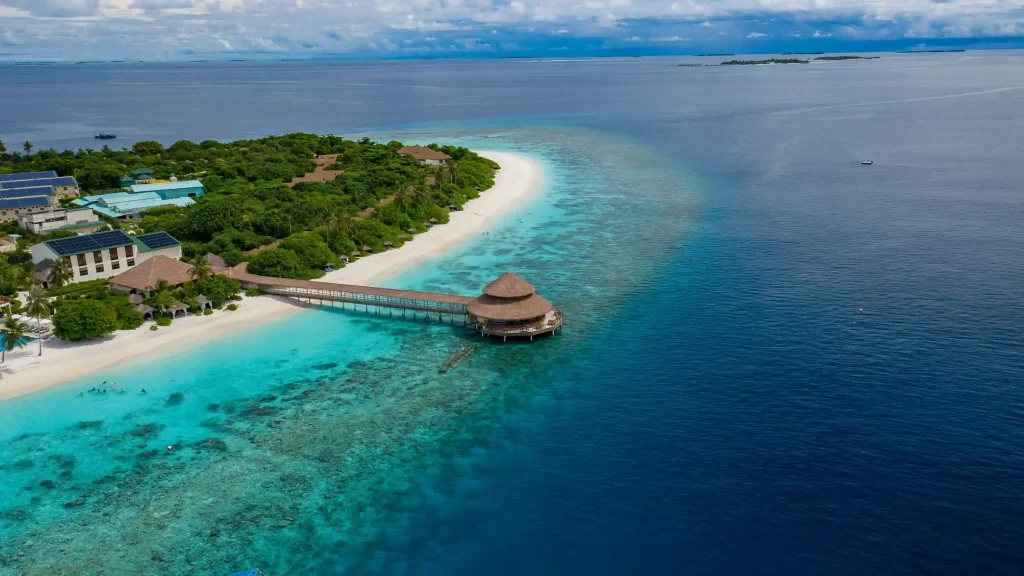
The Maldives is one of the premier destinations for big game fishing, offering an unrivaled fishing experience for enthusiasts seeking to catch some of the world’s most sought-after fish. With its clear blue waters, abundant marine life, and diverse range of species, the Maldives provides the perfect setting for a deep-sea fishing adventure. From targeting marlin and tuna to encountering giant trevally and sailfish, big game fishing in the Maldives is an exhilarating activity for both novice and experienced anglers alike.
Here’s everything you need to know about big game fishing in the Maldives, including when and where to go, what fish you can catch, and tips for making the most of your fishing trip.
Why Choose Big Game Fishing in the Maldives?
The Maldives is home to some of the richest waters for big game fishing, attracting anglers from around the globe. With over 26 atolls, thousands of islands, and deep waters surrounding the archipelago, the Maldives offers exceptional conditions for big game fishing, including:
- Abundant Marine Life: The Maldives boasts a wide variety of fish species, including both pelagic fish and reef fish, making it a great destination for anglers looking to catch large and exciting fish.
- Ideal Location: The deep waters and oceanic currents around the islands are perfect for big game fishing, with numerous hotspots for catching trophy fish. The Maldives is located on a natural migration route for many species of large fish, making it a prime fishing location.
- Professional Charters: The Maldives has a wealth of experienced fishing guides and specialized big game fishing charters. These professionals provide expert knowledge of the best fishing spots and can assist anglers of all skill levels.
- Unspoiled Marine Environment: The Maldives is known for its commitment to preserving the marine environment, which ensures that the waters remain teeming with fish and marine life for future generations.
When is the Best Time for Big Game Fishing in the Maldives?
While big game fishing in the Maldives can be enjoyed year-round, certain months provide better conditions depending on the species you’re targeting:
- November to April (Dry Season): This is considered the prime fishing season in the Maldives. The seas are calm, with excellent visibility, and the conditions are perfect for targeting a wide range of big game fish. This period also offers the best chances to catch marlin, sailfish, and tuna.
- May to October (Wet Season): The wet season offers a great opportunity for those targeting specific fish like yellowfin tuna, mahi-mahi (dorado), and giant trevally. The rainy weather does not significantly impact fishing, and anglers will still have access to excellent fishing conditions. You may also have better luck with blue marlin during this time, as they migrate to the region.
For the best fishing experience, it’s recommended to plan your trip between November and March, as this is when the weather is most favorable, and the chances of catching large fish are the highest.
Where to Go Big Game Fishing in the Maldives
The Maldives is divided into 26 natural atolls, each with unique fishing opportunities. Some of the top spots for big game fishing include:
- Baa Atoll: Known for its rich marine biodiversity, Baa Atoll is one of the best locations for big game fishing. The waters here are home to many species of large fish, including tuna, marlin, and sailfish. The atoll is especially famous for Hanifaru Bay, where you can fish for giant tuna and sailfish.
- North Malé Atoll: Close to the capital city of Malé, this atoll is well-known for its rich waters and diverse fish species. Anglers can target a wide range of fish, including marlin, yellowfin tuna, and wahoo.
- South Malé Atoll: This atoll is famous for its dramatic drop-offs, where deep waters are home to blue marlin, tuna, sailfish, and mahi-mahi. Its location makes it easily accessible and perfect for day trips.
- Vaavu Atoll: Known for its deep channels and clear water, Vaavu Atoll offers great fishing conditions for giant trevally, marlin, and tuna. This atoll is a bit more remote, making it ideal for anglers seeking an exclusive fishing experience.
- Addu Atoll: Located in the southernmost part of the Maldives, Addu Atoll offers a unique fishing experience, with larger fish such as yellowfin tuna and sailfish frequently spotted here. It’s an excellent spot for those looking for off-the-beaten-path fishing.
- Raa Atoll: With its vibrant fish population and deep-sea fishing opportunities, Raa Atoll is a favorite among anglers. Expect to catch marlin, tuna, and wahoo while enjoying the region’s clear, calm waters.
- Laamu Atoll: Known for its consistent fishing conditions and numerous fishing spots, Laamu Atoll offers a variety of large fish, such as yellowfin tuna, sailfish, and trevally.
What Fish Can You Catch While Big Game Fishing in the Maldives?
The Maldives is home to an impressive variety of large fish species that attract anglers from around the world. Some of the most popular fish to target include:
- Marlin: The Maldives is one of the best places to catch blue marlin, black marlin, and striped marlin. These large and powerful fish are a prized catch for big game anglers. Marlin fishing is typically done in deeper waters, and these fish are often caught by trolling.
- Sailfish: The Maldives is renowned for its sailfish population, which can often be found migrating in the waters around the atolls. Known for their distinctive sail-like dorsal fins and acrobatic leaps, sailfish are both challenging and thrilling to catch.
- Tuna: The Maldives is an excellent location for catching yellowfin tuna, which are known for their strength and speed. Tuna fishing is popular throughout the year, and these fish are commonly found around coral reefs and drop-offs.
- Giant Trevally (GT): Known for their strength and ferocity, giant trevally is a favorite catch for anglers. They put up a serious fight and are commonly found near reefs and shallow waters.
- Mahi-Mahi (Dorado): This colorful fish is abundant in the waters of the Maldives, particularly around the atolls. Mahi-mahi is prized for its delicious meat and vibrant appearance. They’re typically caught near floating debris or schools of smaller fish.
- Wahoo: Wahoo is a fast and aggressive fish that is highly prized for its speed and challenge. Wahoo are often found around drop-offs and are popular among anglers looking for excitement.
- Barracuda: Known for their long, slender bodies and sharp teeth, barracudas are another popular species in the Maldives. They are found in both shallow and deep waters and offer anglers a challenging catch.
- Snapper: While not as large as the others, snapper is still a popular catch, particularly around the reef areas. They are often targeted for their fight and delicious meat.
- Mackerel: The Maldives also has large populations of mackerel, which are often caught near reefs. They are quick and provide a fun challenge for anglers looking for action.
What to Expect During a Big Game Fishing Trip
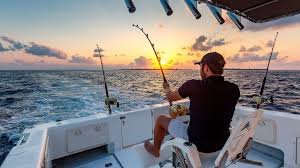
Big game fishing trips in the Maldives typically involve a day-long excursion on a specialized fishing boat, equipped with state-of-the-art gear and operated by experienced local fishermen. Here’s what you can expect on your big game fishing adventure:
- Early Start: Fishing trips generally start early in the morning, around sunrise, to take advantage of the calm seas and best fishing conditions.
- Fishing Techniques: Most big game fishing is done by trolling, where the boat drags lures or bait behind it to attract fish. Alternatively, you may try bottom fishing, drift fishing, or fly fishing, depending on the species targeted and the conditions.
- Onboard Amenities: Many fishing charters offer a luxurious experience with comfortable seating, a shaded area, refreshments, and even lunch. Some boats are equipped with live wells for bait, and many have experienced crew members who can assist with the catch.
- Catch and Release: While catching trophy fish is exciting, many anglers choose to practice sustainable fishing by releasing the fish after capturing them. This helps preserve the marine ecosystem and ensures that the fish population remains healthy.