
Yala National Park stands as Sri Lanka's most visited and celebrated wildlife sanctuary, offering one of the world's highest concentrations of leopards alongside extraordinary biodiversity. Spanning nearly 1,000 square kilometers across the southeastern coast, this iconic park combines dense jungle, scrubland, lagoons and coastal ecosystems to create a habitat where elephants, sloth bears, crocodiles and over 200 bird species thrive. For international travellers seeking authentic wildlife encounters in Asia, Yala delivers an unmatched safari experience that rivals the great parks of Africa while maintaining its distinctly Sri Lankan character.
Why Yala National Park Matters for Wildlife Enthusiasts
The park's reputation extends far beyond Sri Lanka's borders, drawing naturalists, photographers and safari enthusiasts from across the globe. What sets this destination apart is the remarkable leopard density, with studies suggesting the highest concentration anywhere in the world within certain blocks of the park.
Beyond the leopards, the official Yala National Park resources highlight the presence of 44 mammal species and 215 bird species, making each safari a diverse wildlife spectacle. The landscape itself tells geological stories spanning millions of years, with ancient rock formations providing dramatic backdrops to wildlife sightings.
The Leopard Legacy
Yala's Sri Lankan leopards (Panthera pardus kotiya) represent a subspecific population found nowhere else on earth. Unlike their African and Asian cousins who remain largely nocturnal and elusive, Yala's leopards exhibit daytime activity patterns that provide exceptional viewing opportunities.
Key leopard viewing advantages:
- Diurnal hunting behavior increases daylight sightings
- Open scrubland terrain allows better visibility
- Habituated populations tolerate safari vehicles
- Year-round presence with no migration patterns
- Multiple individuals spotted on single safaris
The leopards' confidence in this protected environment means photographers regularly capture behaviors rarely witnessed elsewhere: mating rituals, hunting sequences, cubs learning survival skills, and territorial displays between males.
Understanding Yala's Geography and Zones
Yala National Park divides into five distinct blocks, though most visitors experience only Block 1, the original reserve opened in 1938. This section offers the highest wildlife density and best-developed safari infrastructure.
| Block | Size (km²) | Access | Key Features |
|---|---|---|---|
| Block 1 | 141 | Open daily | Highest leopard density, developed tracks |
| Block 2 | 98 | Limited | Fewer visitors, pristine wilderness |
| Block 3 | 408 | Restricted | Wilderness zone, special permits |
| Block 4 | 26 | Closed | Conservation research area |
| Block 5 | 260 | Open | Coastal habitats, migratory birds |
Block 1's landscape varies from thick jungle to open grasslands, brackish lagoons to rocky outcrops. The Menik Ganga river flows through the park, creating waterholes that concentrate wildlife during dry periods. Coastal areas feature pristine beaches where elephants sometimes wander, creating surreal juxtapositions of jungle giants against ocean horizons.
Wildlife Beyond Leopards
While leopards dominate visitor wishlists, Yala supports an ecosystem of exceptional complexity. The park's elephant population roams in herds, with Block 1 hosting around 300 individuals. These elephants display different behavior patterns than those in Udawalawe or Minneriya, adapting to Yala's drier conditions and varied terrain.
Remarkable mammals frequently encountered:
- Sloth bears: Often spotted in early morning near termite mounds
- Wild water buffalo: Endangered species with significant populations
- Spotted deer: Hundreds forming the primary leopard prey base
- Wild boar: Abundant throughout all habitat types
- Golden jackals: Active predators and scavengers
- Mugger crocodiles: Large populations in lagoons and rivers
The birdlife represents both resident and migratory species, with endemic Sri Lankan species like the junglefowl, grey hornbill and Sri Lanka wood pigeon sharing habitat with seasonal visitors. During November to March, migratory waders and waterfowl from Siberia and Northern Europe transform lagoons into teeming avian gathering points.
Research examining visitation patterns and eco-tourism activities demonstrates how wildlife viewing contributes significantly to both conservation funding and local community economies.
Planning Your Yala Safari Experience
Successful wildlife viewing requires strategic planning around seasonal patterns, timing and safari logistics. Yala national park operates throughout the year except during September when the park closes for maintenance, though specific closure dates vary annually.
Best Times to Visit
February to July represents peak viewing season when water scarcity concentrates animals around remaining waterholes. During these months, leopard sightings reach their highest probability, sometimes multiple individuals per safari.
The dry season advantages include:
- Reduced vegetation makes spotting easier
- Predictable animal behavior around water sources
- Better road conditions within the park
- Optimal photography lighting conditions
October to January brings northeast monsoon rains, transforming the landscape into lush greenery. While wildlife disperses across wider territories, this period offers advantages for serious wildlife enthusiasts: fewer crowds, dramatic cloud formations, migratory bird arrivals, and lower accommodation rates.
Safari Logistics and Timing
Morning safaris typically depart around 5:30 AM, capitalizing on animal activity during cooler hours. Afternoon sessions begin around 2:30 PM, continuing until park closing at 6:30 PM. Full-day safaris, though permitted, can be physically demanding given dust, heat and rough terrain.
Private jeep safaris accommodate up to six passengers, providing flexibility for serious photographers and families. Shared safaris cost less but follow predetermined routes with less customization. Studies on vehicular traffic impact have led to regulations limiting vehicle numbers and establishing speed restrictions to protect wildlife.
Safari vehicle comparison:
| Option | Capacity | Cost Range | Best For |
|---|---|---|---|
| Private 4WD | 1-6 guests | $80-150 | Photographers, families, flexible schedules |
| Shared jeep | 6-8 guests | $40-60 per person | Budget travelers, solo visitors |
| Luxury safari vehicle | 1-4 guests | $200-300 | Premium comfort, specialized guides |
Where to Stay Near Yala
Accommodation options cluster around the park's main entrance near Palatupana, ranging from luxury tented camps to budget guesthouses. Location matters significantly, as proximity to entrance gates means earlier safari departures and better wildlife viewing windows.
Luxury options include safari camps offering canvas tents with ensuite facilities, private plunge pools and elevated viewing decks. These properties employ naturalist guides and provide comprehensive safari experiences with pre-dawn departures and bush dinners.
Mid-range hotels in Tissamaharama and Kirinda offer comfortable rooms, swimming pools and organized safari bookings. Many properties feature naturalist talks and wildlife photography workshops.
Budget accommodations provide basic but clean rooms perfect for travelers prioritizing safari experiences over luxury amenities. Family-run guesthouses offer authentic Sri Lankan hospitality and home-cooked meals.
For those planning comprehensive Sri Lankan itineraries combining wildlife with cultural sites like Kandy or beach destinations, positioning Yala strategically within your route optimizes travel efficiency.
Combining Yala with Broader Sri Lanka Itineraries
Experienced travel planners integrate Yala national park within circuits that showcase Sri Lanka's diversity. The park's southeastern location pairs naturally with nearby attractions creating efficient routing.
Recommended combinations include:
- Wildlife Circuit: Yala, Udawalawe National Park, Sinharaja Rainforest
- Southeast Exploration: Yala, Arugam Bay surfing, Galle Fort
- Complete Island Tour: Cultural Triangle, Hill Country, Yala, South Coast beaches
Families appreciate Yala as an educational highlight where children witness conservation in action while experiencing the thrill of wildlife tracking. For Sri Lanka tours designed around diverse interests, Yala provides the wildlife component complementing cultural temples, tea plantations and coastal relaxation.
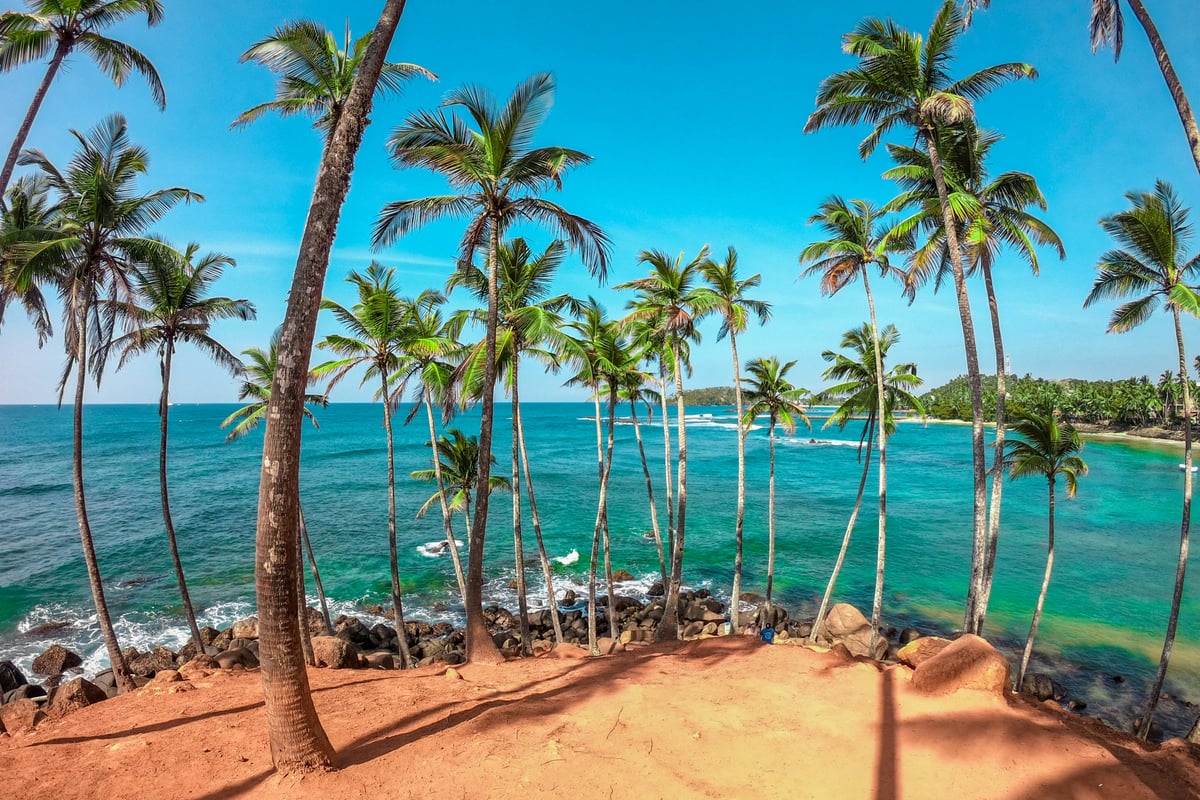
The journey from Colombo to Yala covers approximately 250 kilometers, typically requiring 5-6 hours depending on route and stops. Many travelers combine this journey with visits to Galle's colonial fort or beach breaks along the southern coast.
Conservation Challenges and Sustainable Tourism
Yala's popularity creates management challenges balancing visitor access with wildlife protection. During peak season, Block 1 can experience congestion with numerous vehicles tracking the same leopards, potentially causing stress to animals and degrading visitor experience.
Conservation efforts focus on several priority areas:
Habitat Protection: Maintaining ecosystem integrity across the park's five blocks requires controlling illegal logging, preventing encroachment and managing water resources during drought periods.
Human-Wildlife Conflict: Communities bordering the park sometimes experience crop raiding by elephants and livestock predation by leopards, necessitating compensation programs and barrier installations.
Research and Monitoring: Modern conservation technology applications including camera trapping, GPS collaring and AI-powered species identification improve understanding of population dynamics and behavior patterns.
Enhanced poaching prevention through remote sensing represents emerging tools helping under-resourced parks like Yala maintain effective protection despite limited ranger staffing.
Responsible tourism practices visitors should follow:
- Maintain minimum 25-meter distances from wildlife
- Never feed animals or discard food waste
- Respect speed limits protecting both animals and habitat
- Use experienced, licensed safari guides
- Choose accommodations supporting local communities
- Avoid safari operators overcrowding wildlife sightings
Practical Tips for International Visitors
Park Entry Requirements: Foreign visitors pay higher entrance fees than Sri Lankan nationals, currently around $25 per adult plus vehicle charges and guide fees. Payments accepted in US dollars, euros, pounds or Sri Lankan rupees.
What to Bring: Binoculars enhance distant wildlife viewing, while cameras with telephoto lenses capture memorable images. Sun protection (hats, sunscreen, sunglasses) proves essential given intense tropical sun and minimal vehicle shade. Dust masks help during dry season when vehicle movement kicks up fine particles.
Health Considerations: Yala lies within a low-risk malaria zone, though prophylaxis generally isn't recommended. Insect repellent prevents mosquito and sandfly bites. Stay hydrated during safaris, though excessive fluid intake complicates the absence of toilet facilities within the park.
Photography Ethics: While capturing stunning wildlife images ranks high on visitor priorities, ethical photography maintains animal welfare as paramount. Never ask drivers to approach animals closer than regulations permit or engage in behaviors harassing wildlife for photographic opportunities.
The broader national parks network across Sri Lanka offers alternative wildlife experiences, though Yala remains unmatched for leopard viewing accessibility.
Understanding Yala's Cultural Context
Beyond natural significance, Yala holds archaeological and spiritual importance. Ancient Buddhist monasteries dating to the 3rd century BCE dot the landscape, with Sithulpawwa rock temple near the park boundary attracting pilgrims alongside wildlife enthusiasts.
Local communities maintain traditional relationships with the land, their knowledge contributing to conservation efforts and enriching visitor experiences through cultural storytelling. Several Vedda indigenous communities, Sri Lanka's aboriginal inhabitants, historically used these forests for sustenance, their descendants now participating in tourism and conservation programs.
The park's location in Sri Lanka's dry zone influenced historical settlement patterns, with ancient civilizations developing sophisticated irrigation systems, some still visible as ruins within park boundaries. This cultural layering adds depth to safari experiences for visitors interested in humanity's historical relationship with wild landscapes.
Maximizing Your Yala Experience
First-time visitors often underestimate how weather, time of day and seasonal variations dramatically affect wildlife viewing success. Morning safaris generally outperform afternoon sessions, particularly during hot months when animals retreat to shade during midday heat.
Strategic viewing approaches:
Multiple safaris across several days significantly increase leopard sighting probabilities compared to single visits. Wildlife doesn't operate on schedules, making patience and repeat visits your best strategy.
Hiring experienced tracker-guides beyond the mandatory park guide provides local knowledge identifying subtle signs other visitors miss: paw prints indicating recent leopard presence, alarm calls signaling predator proximity, or seasonal fruiting trees attracting specific species.
Specialized safaris focusing on birds, reptiles or nocturnal species (where permitted) reveal biodiversity beyond the charismatic megafauna dominating standard tours. Photography-focused safaris allocate more time per sighting, prioritizing image quality over quantity of species encountered.
Beyond Block 1: Exploring Lesser-Known Areas
Adventurous travelers willing to venture beyond the standard circuit discover Yala's quieter sections. Block 5, accessible through separate entrance gates, offers coastal ecosystems and wetland habitats with different species compositions. Migratory shorebirds, marine turtles and specialized coastal vegetation create distinct experiences from the inland blocks.
These less-visited areas require special arrangements and sometimes additional permits, though rewards include genuine wilderness experiences with minimal tourist infrastructure. Camping programs (where available) immerse visitors in nighttime sounds and experiences impossible during standard day safaris.
Integration of collaborative conservation frameworks enables better species monitoring across these extended territories, though visitor access remains carefully controlled to minimize disturbance.
Weather Patterns and Seasonal Variations
Sri Lanka's southeastern region experiences distinct wet and dry seasons that transform Yala's ecology throughout the year. The northeast monsoon arrives around October, bringing heavy rains through January. While this greens the landscape and fills waterholes, it also disperses wildlife across larger territories.
Monthly weather overview:
- January-February: Transitional period, improving conditions
- March-May: Peak dry season, excellent viewing
- June-August: Southwest monsoon affects coastal areas minimally
- September: Park closure for maintenance
- October-December: Northeast monsoon, lush but scattered wildlife
Temperature variations remain relatively stable year-round, with daytime highs around 30-35°C (86-95°F) and pleasant evening cooling. Early morning safaris can feel surprisingly cool, especially during January and February.
Responsible Wildlife Photography
The rise of wildlife photography tourism brings both opportunities and challenges. Capturing stunning images contributes to conservation awareness globally, though inappropriate photographer behavior sometimes compromises animal welfare.
Ethical photography guidelines:
- Never request drivers chase or herd animals
- Avoid flash photography disturbing nocturnal species
- Respect park regulations on approach distances
- Don't manipulate environments for better compositions
- Share images responsibly, avoiding location details encouraging overcrowding
- Support conservation through photo sales or awareness campaigns
Professional wildlife photographers often spend weeks in locations like Yala, understanding that exceptional images require patience, preparation and respect for subjects. Day visitors should maintain realistic expectations while cherishing whatever encounters occur naturally.
The Economic Impact of Wildlife Tourism
Tourism to yala national park generates substantial revenue supporting both conservation and local development. Entrance fees fund park management, anti-poaching patrols and habitat restoration. The broader economic ecosystem includes hotels, restaurants, transport services, guide employment and handicraft sales.
Studies analyzing sustainable tourism practices demonstrate how properly managed wildlife viewing creates incentives for conservation exceeding extractive land uses. Communities benefiting from tourism often become conservation stakeholders, protecting wildlife as economic assets.
This economic model works best when tourism revenue distribution reaches local communities fairly and park management maintains carrying capacities preventing environmental degradation. Visitors choosing responsible operators supporting fair wages and community development contribute to sustainable outcomes.
Yala National Park represents wildlife viewing at its finest, combining exceptional biodiversity with accessible safari infrastructure that welcomes international visitors seeking authentic wilderness encounters. Whether you're hoping to photograph the elusive leopard, witness elephant herds in their natural habitat, or simply immerse yourself in one of Asia's great wild spaces, Yala delivers experiences that resonate long after your journey ends. When you're ready to explore this remarkable destination as part of a carefully crafted Sri Lankan adventure, Estiaco Holidays designs personalized itineraries that position Yala strategically within broader tours, handling all logistics so you focus entirely on the wildlife and landscapes that make this corner of Sri Lanka truly unforgettable.