
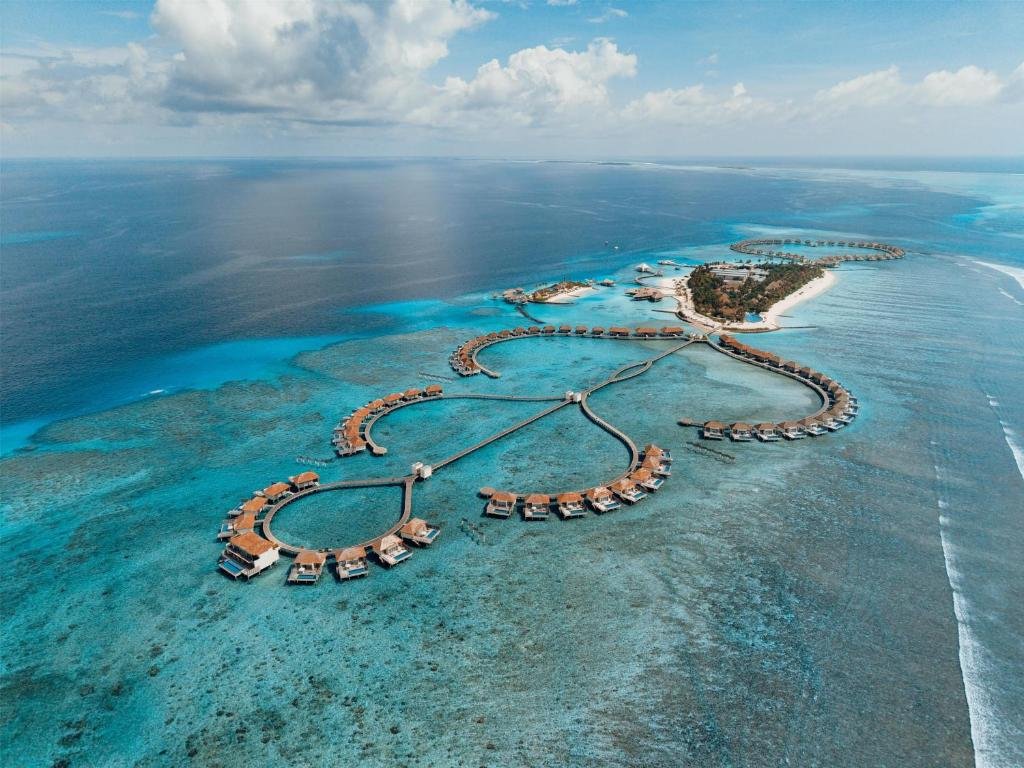
The Maldives sits just north of the equator in the Indian Ocean, where turquoise lagoons and powdery white beaches welcome travellers year-round. Yet choosing when to visit this tropical archipelago can significantly impact your experience, budget and the activities available to you. Understanding the seasonal variations, weather patterns and what each month offers will help you plan a holiday that matches your expectations perfectly.
Understanding the Maldives Climate and Monsoon Seasons
The Maldives experiences two distinct monsoon seasons that shape the weather patterns throughout the year. These seasonal shifts influence everything from water visibility for diving to resort pricing and crowd levels.
The Dry Season: Northeast Monsoon
Running from November through April, the northeast monsoon brings the best time to visit Maldives for most travellers. This period delivers consistently sunny days with minimal rainfall, calm seas and gentle breezes. Average temperatures hover between 25°C and 31°C (77°F to 88°F) throughout these months.
Water conditions during this season are exceptional:
Crystal-clear visibility reaching 30 meters or more
Calm seas perfect for snorkeling and diving
Minimal wave activity for water sports
Ideal conditions for yacht cruising and island hopping
The dry season offers optimal weather conditions with humidity levels slightly lower than other months, making outdoor activities particularly enjoyable. This period also coincides with peak tourist season, which means higher resort rates and advance booking becomes essential.
The Wet Season: Southwest Monsoon
From May to October, the southwest monsoon brings increased rainfall and stronger winds to the archipelago. While the term “wet season” might sound discouraging, it doesn’t mean constant downpours. Rain typically arrives in short, intense bursts rather than prolonged periods.
Month | Average Rainfall (mm) | Rain Days | Sea Conditions |
|---|---|---|---|
May | 216 | 15 | Moderate waves |
June | 167 | 14 | Rougher seas |
July | 150 | 13 | Variable |
August | 175 | 14 | Improving |
Despite wetter conditions, this season brings advantages including lower prices, fewer tourists and unique marine life encounters. Many experienced divers actually prefer the wet season when manta rays congregate at cleaning stations on the western atolls.
Month-by-Month Breakdown for 2026
January and February: Peak Perfection
These months represent the absolute best time to visit Maldives for those prioritizing weather guarantees. January sees minimal rainfall, with approximately 76mm spread across just six days, according to detailed climate data from the Maldives Meteorological Service.
February maintains this excellence with even drier conditions. Both months deliver:
Daily temperatures averaging 28°C to 30°C
Abundant sunshine (8-9 hours daily)
Calm, glass-like lagoons
Perfect conditions for underwater photography
Expect premium pricing during these peak months, particularly around Chinese New Year and Valentine’s Day when resorts reach full capacity.
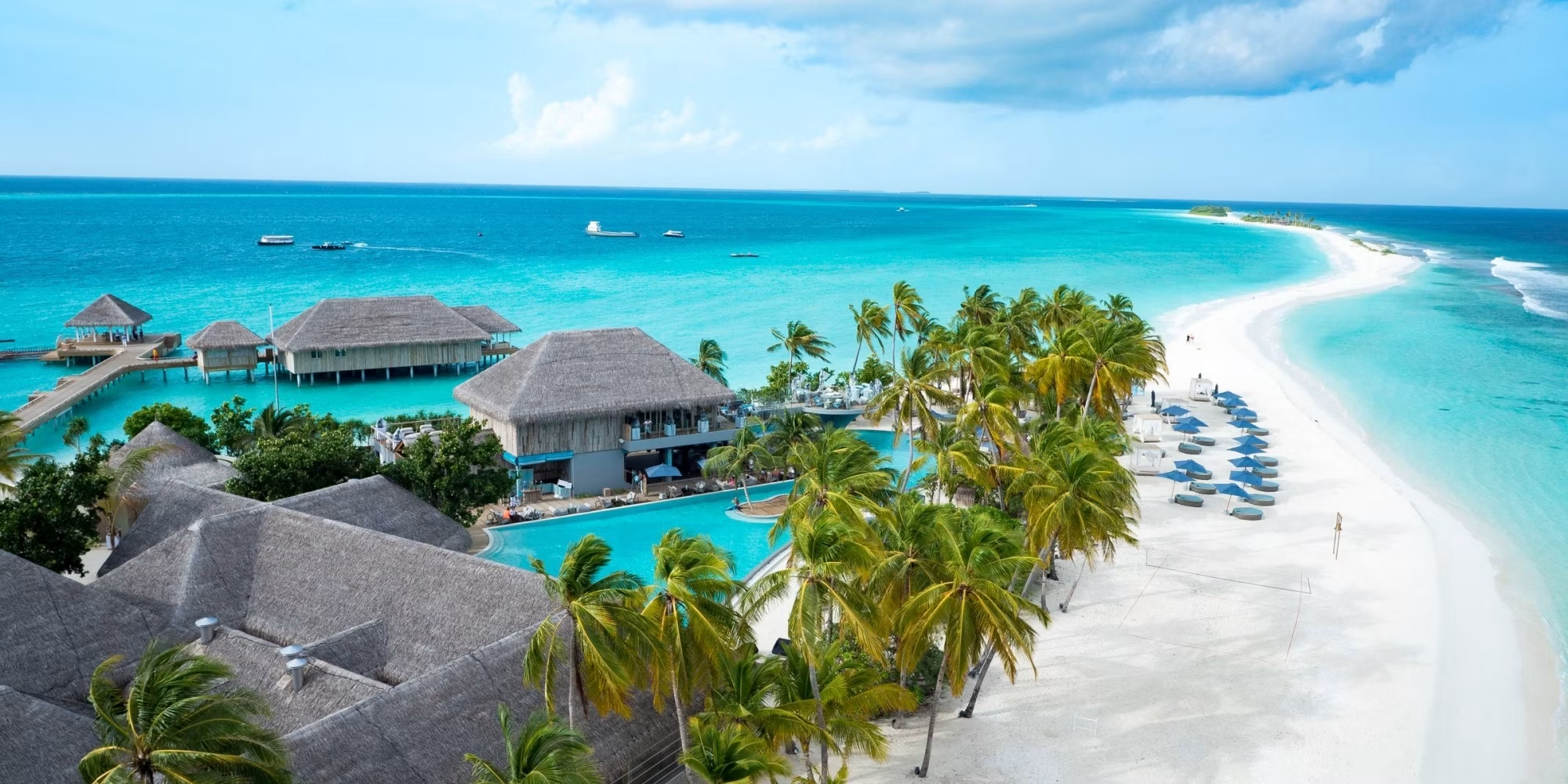
March and April: Transitional Excellence
March continues the dry season’s favorable conditions while April marks the transition toward the wet season. Both months offer outstanding weather with temperatures climbing slightly higher, reaching 31°C to 32°C.
The shoulder period between seasons presents several benefits:
Still predominantly dry with minimal rainfall
Gradually decreasing tourist numbers
More negotiable resort rates compared to January-February
Excellent diving visibility before seasonal changes
April experiences slightly increased humidity and occasional brief showers, particularly toward month’s end, but these rarely disrupt travel plans significantly.
May and June: Value Season Begins
These months mark the beginning of the southwest monsoon, but they shouldn’t be dismissed quickly. May brings increased rainfall (approximately 216mm), yet this often arrives as dramatic afternoon thunderstorms that clear quickly.
Advantages of visiting during these months:
Resort rates drop by 20-40% compared to peak season
Fewer crowds at popular dive sites and beaches
Surfing season begins with consistent swells
Manta ray sightings increase dramatically
June sees slightly less rainfall than May, and many travellers find excellent value during these months if they’re flexible about occasional wet weather.
July and August: Summer Holidays
Although July and August are part of the wet season, they continue to be favored by European and North American families looking for summer vacation getaways. Rainfall averages between 150-175mm per month, typically occurring in short bursts. For many travelers planning a Maldives escape combined with cultural exploration, this period proves to be quite favorable. You can design your holiday to engage in activities during sunny mornings, while reserving indoor relaxation or spa treatments for the occasional rainy afternoons. Additionally, these months offer excellent opportunities for spotting whale sharks, especially around South Ari Atoll, making them appealing for marine enthusiasts despite the unpredictable weather.
Activities and Special Considerations by Season
Diving and Snorkeling Conditions
The best time to visit Maldives for underwater activities depends significantly on which atolls you plan to explore. The dry season (November to April) offers superior visibility on eastern atolls, while western atolls experience calmer conditions during the wet season (May to October).
Dry Season Diving Benefits:
Visibility often exceeding 30 meters
Calmer seas for boat transfers
Better conditions for beginners
Ideal for underwater photography
Wet Season Diving Advantages:
Manta ray aggregations at western cleaning stations
Whale shark encounters in South Ari Atoll
Less crowded dive sites
Plankton blooms attracting larger marine life
Surfing Season Specifics
Serious surfers should target March through October when consistent swells arrive from the Indian Ocean. The peak surfing months run from June to September, with wave heights reaching 2-3 meters at popular breaks in North and South Male Atolls.
Most surf resorts operate exclusively during these months, and seasonal variations significantly impact activity availability across different atolls.

Budget Considerations and Value Timing
Resort pricing in the Maldives fluctuates dramatically based on season, making timing crucial for budget-conscious travellers. Understanding these patterns helps maximize value without sacrificing experience quality.
High Season Pricing (December to March)
Expect premium rates during these months, with luxury resorts often charging 50-80% more than low season prices. Christmas and New Year command the highest premiums, with many properties imposing compulsory gala dinners and minimum stay requirements.
Period | Price Level | Booking Timeline | Crowds |
|---|---|---|---|
Dec 20 – Jan 5 | Maximum | 9-12 months ahead | Very High |
Jan 6 – Feb 28 | High | 6-9 months ahead | High |
Mar 1 – Apr 15 | High-Medium | 4-6 months ahead | Medium-High |
Shoulder Season Value (April-May, September-November)
These transitional periods offer the best value-to-weather ratio. April and early May still enjoy mostly favorable conditions with noticeably lower rates. September through November sees improving weather as the dry season approaches, with progressive price increases.
Smart travellers targeting these windows can secure luxury accommodations at significantly reduced rates while experiencing minimal weather disruption.
Low Season Opportunities (June-August)
This period delivers maximum savings, with some resorts offering rates 40-60% below peak season pricing. While weather becomes less predictable, many days still provide glorious sunshine, especially during mornings.
Consider these months if:
Budget constraints are significant
You’re flexible about activities
You prefer quieter resorts
You’re primarily interested in relaxation over adventure
Special Events and Crowd Patterns
Cultural and Religious Observances
Ramadan moves through the calendar based on the lunar cycle. In 2026, Ramadan is expected during February to March, which may affect dining availability at local islands, though resort islands continue normal operations. This presents no significant concerns for most international travellers staying at resort properties.
Peak Holiday Periods
Beyond Christmas and New Year, several periods see increased demand and elevated pricing:
Easter holidays (typically April)
European summer holidays (July-August)
Chinese New Year (late January to early February)
Diwali periods popular with Indian travellers
Booking well in advance becomes essential during these windows, as the best time to visit Maldives for many international markets aligns with school holiday calendars.
Water Temperature and Marine Life Patterns
Water temperatures remain consistently warm throughout the year, ranging between 27°C and 30°C (81°F to 86°F). This stability means comfortable swimming and snorkeling regardless of season, though seasonal variations affect which marine species you’ll encounter.
Seasonal Marine Life Highlights
December to April:
Hammerhead shark aggregations
Eagle ray sightings
Optimal coral viewing
Sea turtle nesting activity
May to November:
Manta ray cleaning station activity
Whale shark encounters (especially June-November)
Increased plankton supporting larger species
Seasonal fish spawning events
The month-by-month marine life calendar helps divers and snorkelers plan encounters with specific species that migrate seasonally through different atolls.
Island Location and Microclimate Variations
The Maldives stretches 820 kilometers from north to south, creating microclimate variations across the archipelago. Northern atolls often experience slightly different weather patterns than southern regions, particularly during transitional months.
Regional Weather Differences
Southern atolls generally receive more rainfall during the southwest monsoon, while northern regions sometimes escape the heaviest downpours. This geographical variation means the best time to visit Maldives can vary slightly depending on which atolls you’re targeting.
Resort selection should factor in these regional differences, especially if you’re visiting during shoulder seasons when weather patterns become less predictable.
Practical Planning Recommendations
Booking Timeline Strategies
For dry season travel (November-April), secure reservations 6-12 months ahead, particularly for luxury properties and popular dive resorts. Wet season bookings offer more flexibility, though waiting too long might limit accommodation choices at value-conscious properties.
Timeline recommendations:
Peak season (Dec-Mar): Book 9-12 months ahead
Shoulder season (Apr-May, Oct-Nov): Book 4-6 months ahead
Low season (Jun-Sep): Book 2-4 months ahead
Flexible Date Advantages
If your schedule allows flexibility, monitoring weather forecasts 7-10 days before travel helps optimize timing during transitional months. Many experienced Maldives travellers maintain flexible arrival dates when visiting during April-May or September-October periods.
Travel Insurance Considerations
Comprehensive travel insurance becomes especially valuable during wet season travel. While resorts maintain high standards regardless of weather, transfer delays due to rough seas occasionally occur during the southwest monsoon. Quality insurance provides peace of mind and financial protection.
Combining Maldives with Regional Destinations
Many international travellers combine the Maldives with Sri Lanka, creating rich itineraries that blend cultural exploration with tropical relaxation. This pairing works particularly well because both destinations share similar weather patterns, with November through April representing ideal visiting conditions for both countries.
The strategic advantage of dual-destination holidays includes breaking up long-haul flights, experiencing diverse activities and maximizing the value of international airfares. Combining cultural temple visits, wildlife safaris and scenic train journeys in Sri Lanka with barefoot luxury beach time in the Maldives creates wonderfully balanced holidays.

Making Your Final Decision
Determining the best time to visit Maldives ultimately depends on your priorities, flexibility and budget. Travellers seeking guaranteed sunshine, calm seas and optimal diving should target December through March despite higher costs. Those comfortable with occasional rain showers can discover exceptional value during May through September while still enjoying predominantly pleasant weather.
Consider your primary activities, travel companions and budget constraints when selecting dates. Families with school-aged children face calendar restrictions, while couples and retirees enjoy broader flexibility to target shoulder seasons offering excellent value.
Key decision factors:
Weather priority: December-March for guaranteed sunshine
Budget focus: June-September for maximum savings
Marine life: May-November for manta rays and whale sharks
Diving visibility: January-April for crystal-clear water
Fewer crowds: May-June and September-October
The Maldives rewards travellers year-round with warm temperatures, beautiful beaches and world-class resorts. Understanding seasonal nuances simply helps align your visit with your specific preferences and expectations.
Selecting the perfect time to visit the Maldives transforms a good holiday into an unforgettable experience tailored to your priorities and expectations. Whether you’re planning a romantic honeymoon, a family adventure or a diving expedition, timing plays a crucial role in maximizing enjoyment while managing your budget effectively. The destination management experts at Estiaco Holidays specialize in creating personalized Maldives itineraries that account for seasonal variations, resort selection and activity planning to ensure your tropical escape exceeds expectations. Let our local knowledge and tailored approach help you design the perfect Maldives holiday matched to your ideal travel dates.