The Maldives is globally recognized as one of the top scuba diving destinations, offering some of the most vibrant, biodiverse, and well-preserved dive sites in the world. Whether you’re a novice or an experienced diver, the Maldives presents opportunities to explore crystal-clear waters, dramatic underwater landscapes, and a wide variety of marine life. With over 2,000 islands and hundreds of dive sites, diving in the Maldives offers something for everyone, from shallow coral gardens to deep-sea wrecks and thrilling encounters with big marine life. Here’s everything you need to know about scuba diving in the Maldives, including when to go, where to dive, and what you’ll encounter underwater.
Why Scuba Diving in the Maldives Is a Must-Do Experience
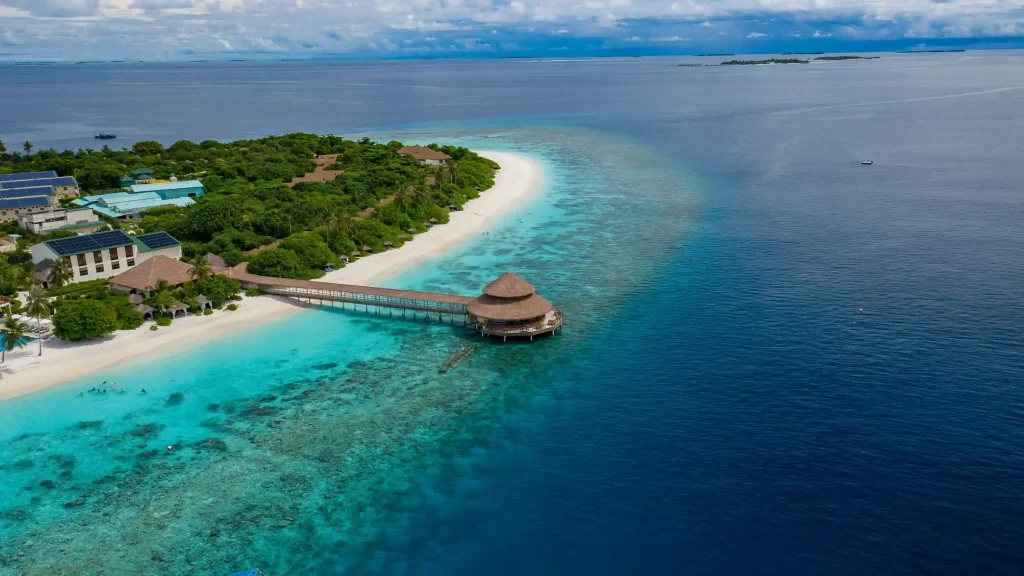
The Maldives is an underwater paradise with its turquoise waters and thriving marine ecosystems. Known for its exceptional visibility (up to 50 meters in some areas), warm water temperatures (ranging between 28°C and 30°C), and abundant marine life, the Maldives offers some of the world’s most spectacular diving experiences. The archipelago is home to coral reefs, underwater caves, wrecks, and the chance to encounter big animals such as manta rays, whale sharks, and various species of sharks.
Diving in the Maldives is ideal for beginners, thanks to its calm waters, but it also offers more challenging experiences for advanced divers, such as drift diving, deep diving, and exploring unique underwater features.
When to Go Diving in the Maldives
Scuba diving in the Maldives is a year-round activity, but the best time to dive depends on the marine life you want to encounter and the conditions you prefer:
- November to April (Dry Season): This period is considered the best time for diving. The weather is sunny with minimal rainfall, and the seas are calm, offering excellent visibility. The dry season is the perfect time to explore the vibrant coral reefs and experience calm, shallow dives. Visibility is generally at its best during this time, often exceeding 30 meters.
- May to October (Wet Season): Although it’s the wet season, diving is still possible during this time. Visibility can be reduced due to plankton blooms, but this attracts large marine life, such as manta rays, whale sharks, and various species of sharks. This period is ideal for those looking to encounter larger animals, especially in places like South Ari Atoll and Baa Atoll.
Where to Go Diving in the Maldives
The Maldives is home to an extensive array of dive sites, including coral gardens, underwater pinnacles, deep drop-offs, and sunken wrecks. Here are some of the best dive locations in the Maldives:
- North Ari Atoll: Known for its rich coral gardens and diverse marine life, North Ari Atoll is a must-visit for divers. You can dive in crystal-clear waters and experience incredible reef systems. The Maaya Thila dive site here is particularly popular for night diving, where divers can spot sharks, turtles, and rays.
- South Ari Atoll: South Ari Atoll is renowned for its manta ray sightings. The atoll is home to Manta Point, where divers can encounter large groups of manta rays year-round. The atoll also offers dive sites like Dhangethi Kandu, where you can spot whale sharks, and Dhigurah Kandu, known for its drift dives.
- Baa Atoll: This UNESCO Biosphere Reserve is famous for its incredible biodiversity. The waters surrounding Baa Atoll are home to vibrant coral reefs and abundant marine life, including reef sharks, turtles, and the opportunity to dive with whale sharks. Hanifaru Bay is one of the best spots in the Maldives to see manta rays and whale sharks.
- Vaavu Atoll: Known for its clear waters and healthy coral reefs, Vaavu Atoll is a haven for divers. Fotteyo Kandu is a top diving site in this atoll, where you can experience strong currents and see pelagic fish, such as barracudas, sharks, and tuna.
- Raa Atoll: Raa Atoll is home to some of the Maldives’ most pristine coral reefs and diverse marine life. It’s also known for having more tranquil diving sites, ideal for beginners and those who want a relaxed diving experience. Manta Reef is a favorite for spotting mantas, while Bodufushi Thila offers vibrant coral gardens and a chance to see sharks.
What Marine Life Can You Expect to See?
The Maldives is home to a vast range of marine species, many of which you can encounter while diving. Some of the most common species and highlights include:
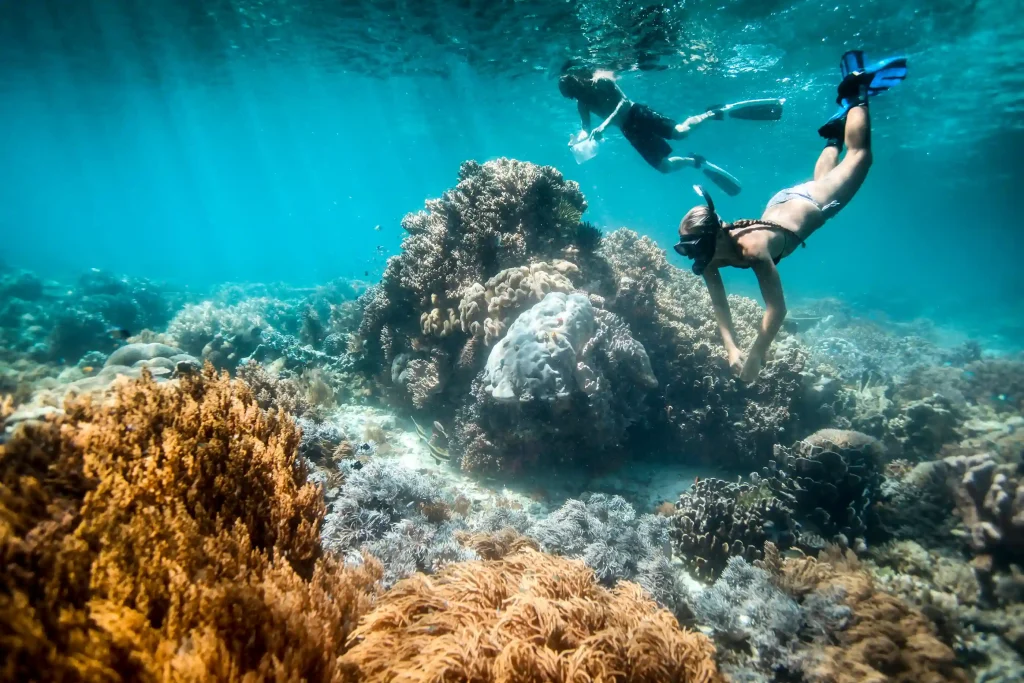
- Coral Reefs: The Maldives’ reefs are home to some of the healthiest coral systems in the world, with colorful soft and hard corals that provide shelter for countless species. Divers can expect to explore intricate coral gardens, submerged pinnacles, and coral walls teeming with life.
- Manta Rays: The Maldives is one of the best places in the world to dive with manta rays. These graceful creatures can often be spotted in cleaning stations, especially around South Ari Atoll and Baa Atoll. Dive sites like Manta Point are famous for large manta ray aggregations.
- Whale Sharks: Whale sharks are the largest fish in the world, and the Maldives is one of the best places to dive with them. You can encounter these gentle giants at sites such as South Ari Atoll and Baa Atoll, where they are often found feeding on plankton.
- Reef Sharks: Various species of reef sharks, including blacktip reef sharks and whitetip reef sharks, are common sights in the Maldives. These sharks are often seen gliding along the reefs or in deeper waters.
- Turtles: Green turtles and hawksbill turtles are abundant in the Maldives. You can often spot them swimming through coral gardens or resting on the seafloor.
- Schools of Fish: The Maldives is home to schools of parrotfish, butterfly fish, angelfish, and fusiliers. These vibrant fish are often seen darting through the reefs, adding color and movement to the underwater world.
- Pelagic Fish: Divers can encounter larger pelagic fish species, including barracuda, tuna, and jacks, especially around drop-offs, channels, and in deeper waters.
- Mackerels and Rays: Giant stingrays, manta rays, eagle rays, and mobulas are commonly seen while diving in the Maldives, particularly in the open ocean and near cleaning stations.
Types of Diving Experiences in the Maldives
- Reef Diving: Explore the colorful and vibrant coral reefs that the Maldives is famous for. This type of diving is typically calm and shallow, perfect for beginners and those looking to enjoy the beauty of marine life up close.
- Night Diving: Night diving in the Maldives offers a completely different perspective of marine life. Some creatures are more active at night, such as moray eels, lobsters, and octopuses. The coral reefs are also illuminated by the bioluminescence of plankton, adding an eerie glow to the dive.
- Wreck Diving: For those interested in history and adventure, wreck diving offers the opportunity to explore sunken ships, aircraft, and other structures. These wrecks are now artificial reefs, attracting a wide variety of marine life.
- Shark Diving: The Maldives is one of the best places to dive with sharks. Dedicated shark diving tours often bring divers to areas where they can encounter reef sharks, hammerheads, and even the occasional tiger shark.
- Whale Shark Diving: For those lucky enough to be in the right place at the right time, diving with whale sharks is an unforgettable experience. These gentle giants roam the waters of South Ari Atoll, Baa Atoll, and the northern atolls during specific months of the year.
Safety Tips for Scuba Diving in the Maldives
- Always dive with a certified and experienced guide or instructor.
- Ensure that you have the appropriate certification level for your chosen dive sites.
- Always check weather and sea conditions before diving, as conditions can change rapidly.
- Stay hydrated and avoid heavy meals before diving.
- Follow safe diving practices, including equalizing, using the buddy system, and ascending slowly.
- Respect the marine environment by avoiding touching or disturbing marine life and coral reefs.